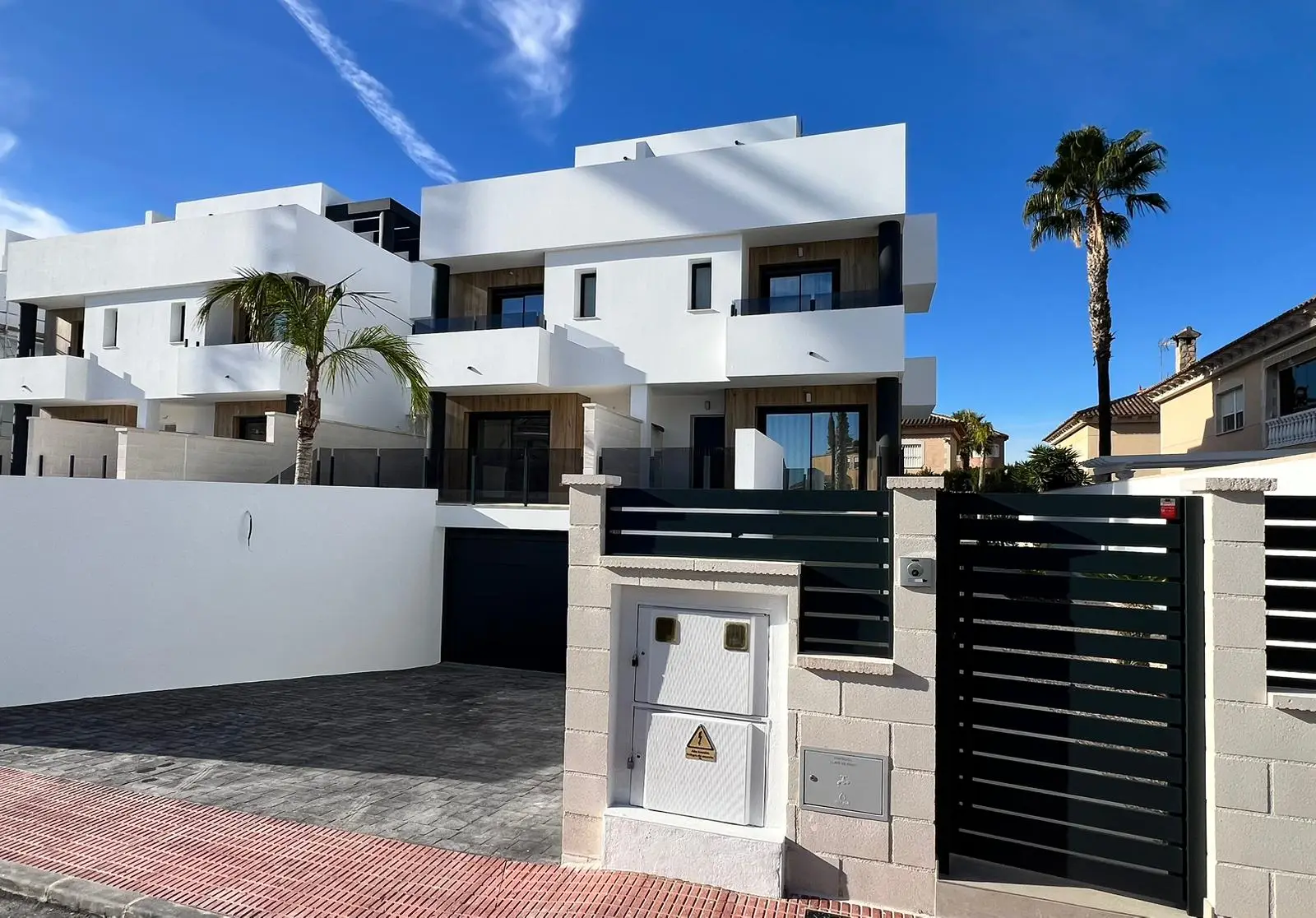
Property investment in Benferri, a small municipality in Alicante’s Costa Blanca region, presents a compelling case for investors seeking stability and growth potential. According to veritySpain’s analysis, Benferri’s property market has shown resilience, with a project rating averaging 7.6/10, reflecting a balanced mix of quality and affordability. The town’s modest size and strategic location near larger urban centers like Orihuela and Murcia make it an attractive option for those looking to diversify their portfolios. This editorial examines Benferri’s property market through key metrics such as price trends, rental yields, and vacancy rates, while drawing comparisons with neighboring regions. By leveraging veritySpain data and official statistics from INE, this analysis aims to provide a nuanced understanding of the opportunities and challenges in Benferri’s real estate sector.
Market Overview and Pricing Trends
Benferri’s property market is characterized by its affordability and steady growth. The average property price in the area currently stands at €318,000, reflecting a stable pricing environment. According to veritySpain data, this price range aligns with the broader trends observed in Alicante’s inland municipalities, where demand for detached homes and villas remains robust. Over the past five years, property values in Benferri have seen a gradual increase, driven by its proximity to larger urban centers and its appeal to both domestic and international buyers. Comparatively, neighboring towns such as Redován and Albatera exhibit similar pricing patterns, though Benferri’s smaller scale offers a more intimate living environment. This stability, coupled with the region’s lower volatility, positions Benferri as a reliable option for long-term investment.
Rental Yields and Investment Potential
Rental yields in Benferri are competitive, averaging around 4.5% annually, according to veritySpain’s analysis. This figure is slightly higher than the regional average for Alicante’s inland areas, reflecting the town’s growing appeal among tenants. The demand for rental properties is fueled by a combination of factors, including its tranquil setting, accessibility to major highways, and affordability compared to coastal towns. Investors targeting the rental market will find opportunities in detached homes and villas, which are particularly sought after by families and retirees. While Benferri’s rental market is smaller than that of nearby Orihuela, its lower vacancy rates—currently estimated at 8%—suggest a healthier balance between supply and demand. This dynamic underscores the town’s potential for steady rental income.
Vacancy Rates and Market Dynamics
Benferri’s vacancy rates, at 8%, are notably lower than those of larger municipalities in the region, such as Torrevieja and Elche, where vacancy rates exceed 12%. This disparity highlights Benferri’s ability to maintain a balanced property market, even in the face of broader economic fluctuations. The town’s smaller inventory and targeted demand contribute to this stability, ensuring that properties remain occupied and investment risks are mitigated. According to INE 2025, Spain’s overall vacancy rates are expected to decline slightly in the coming years, driven by increased urbanization and demographic shifts. In this context, Benferri’s already favorable vacancy rates position it as a low-risk option for investors seeking consistent returns.
Comparable Regions and Broader Context
When compared to neighboring regions, Benferri stands out for its affordability and market stability. Towns like Redován and Albatera offer similar property types but often come with higher price tags, reflecting their larger populations and more developed infrastructure. Coastal areas such as Torrevieja and Guardamar del Segura, while popular among international buyers, exhibit higher volatility and vacancy rates, making them less predictable for investment. According to Registradores de España, Alicante’s inland municipalities have seen a steady increase in property transactions over the past decade, driven by their affordability and quality of life. Benferri’s alignment with these trends, coupled with its lower vacancy rates and competitive rental yields, reinforces its appeal as a strategic investment destination.
Key Takeaways
- Benferri’s property market offers stability, with average prices around €318,000 and steady growth trends.
- Rental yields in Benferri average 4.5%, slightly higher than the regional average for inland Alicante.
- Vacancy rates in Benferri are low at 8%, indicating a balanced and healthy property market.
- Comparable regions like Redován and Albatera show similar trends but often come with higher prices.
- Benferri’s affordability and lower volatility make it a reliable option for long-term property investment.
The market in numbers
New-build projects in Benferri
View allFrequently asked questions
What is the average property price in Benferri?
↓
The average property price in Benferri is €318,000. This reflects a stable pricing environment, making it an affordable option for investors.
What are the rental yields in Benferri?
↓
Rental yields in Benferri average around 4.5% annually. This is slightly higher than the regional average, indicating strong rental demand.
How does Benferri compare to neighboring towns?
↓
Benferri offers affordability and stability compared to neighboring towns. It has lower vacancy rates and a more intimate living environment.
What are the vacancy rates in Benferri?
↓
Vacancy rates in Benferri are 8%, lower than larger municipalities. This balance between supply and demand reduces investment risks.
Why invest in Benferri’s property market?
↓
Invest in Benferri for stability and growth potential. Its affordability, low vacancy rates, and competitive rental yields make it attractive.
What types of properties are popular in Benferri?
↓
Detached homes and villas are popular in Benferri. These properties are sought after by families and retirees for their tranquility.
How has Benferri’s property market performed?
↓
Benferri’s property market has shown steady growth. Prices have increased gradually over the past five years, driven by demand.