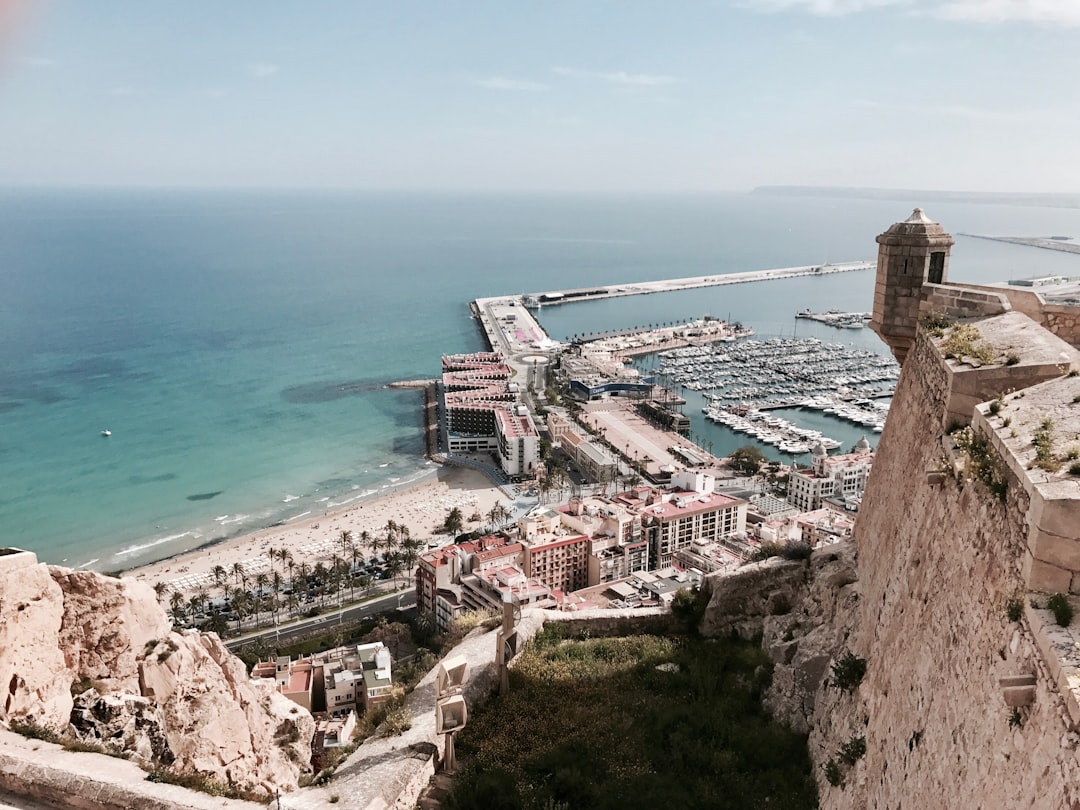
Living as an expat in Cabo Roig, a coastal town in Alicante on Spain’s Costa Blanca, offers a blend of Mediterranean lifestyle and practical convenience. Known for its marina, beaches, and relaxed atmosphere, Cabo Roig attracts a diverse international community. According to veritySpain, the area scores an average of 8.3/10 for livability, with property prices in the analyzed project ranging from €369,000 to €369,000. This article explores daily life in Cabo Roig, covering climate, cost of living, healthcare, schools, and community dynamics, providing a factual overview for those considering relocation.
Climate: A Mediterranean Advantage
Cabo Roig enjoys a typical Mediterranean climate, characterized by mild winters and hot summers. Average temperatures range from 12°C in January to 30°C in August, with over 300 days of sunshine annually. This climate supports outdoor activities year-round, from beach days to hiking in nearby natural parks. Rainfall is sparse, averaging around 250mm per year, mostly concentrated in autumn. The dry, sunny weather is a significant draw for expats, particularly those from colder or wetter regions. However, the summer heat can be intense, necessitating adaptation strategies such as midday shade and hydration. The climate also influences local agriculture, with citrus groves and vineyards thriving in the region.
Cost of Living: Balancing Affordability and Quality
The cost of living in Cabo Roig is moderate compared to larger Spanish cities like Madrid or Barcelona. Groceries, dining out, and utilities are reasonably priced, with a monthly grocery bill for a couple averaging €200–€300. Dining at local restaurants costs around €10–€15 per person for a meal, while a coffee at a café is typically €1.50. Housing costs vary, with rental prices for a two-bedroom apartment ranging from €800 to €1,200 per month, depending on proximity to the coast. Property purchase prices, as noted by veritySpain, start at €369,000 for modern developments. Public transportation is affordable, but many residents opt for private vehicles due to limited connectivity. Overall, Cabo Roig offers a balanced lifestyle without the high expenses of major urban centers.
Healthcare: Accessible and Reliable Services
Healthcare in Cabo Roig is accessible and of high quality, with both public and private options available. Spain’s public healthcare system, funded through social security contributions, provides free or low-cost services to residents, including expats registered with the local health authority. The nearest public hospital, Hospital Vega Baja, is approximately 20 minutes away in Orihuela, offering comprehensive care. Private healthcare is also popular, with clinics in nearby Torrevieja providing specialized services. Expats often opt for private health insurance to supplement public care, ensuring shorter wait times and access to English-speaking doctors. Pharmacies are well-stocked and staffed by knowledgeable professionals, with many medications available over the counter. The healthcare infrastructure in Cabo Roig supports a healthy and secure lifestyle for its residents.
Education: Options for Families
For expat families, Cabo Roig offers several educational options, including public, private, and international schools. Public schools follow the Spanish curriculum and are free, though instruction is primarily in Spanish. Private bilingual schools, such as Colegio Internacional Lope de Vega in Benidorm, provide a mix of Spanish and English education. International schools, like Elian’s British School in La Nucía, cater to expat children with curricula aligned to their home countries, such as the British or American systems. These schools often charge tuition fees ranging from €5,000 to €10,000 annually. Preschools and extracurricular activities are also available, ensuring a well-rounded education for younger children. The presence of diverse educational institutions makes Cabo Roig a viable option for families relocating with children.
Community: A Diverse Expat Network
Cabo Roig’s expat community is diverse, with residents from the UK, Germany, Scandinavia, and other European countries. Social integration is facilitated by local clubs, associations, and events, such as the Cabo Roig Residents’ Association and the Marina Sports Club. Language exchange groups and cultural activities provide opportunities for newcomers to connect and adapt. According to INE 2025, the Alicante province, including Cabo Roig, continues to see steady growth in its international population. The town’s welcoming atmosphere and shared spaces, like the marina and promenade, foster a sense of belonging. While Spanish is the primary language, English is widely spoken in expat circles, easing the transition for newcomers. This vibrant community enhances the overall experience of living in Cabo Roig.
Key Takeaways
- Cabo Roig’s Mediterranean climate offers mild winters and hot summers, ideal for outdoor activities year-round.
- The cost of living is moderate, with affordable groceries, dining, and housing compared to larger Spanish cities.
- Healthcare services are reliable, with both public and private options available to residents.
- Educational options include public, private, and international schools, catering to diverse expat families.
- The expat community is diverse and welcoming, supported by local clubs and social activities.
The market in numbers
New-build projects in Cabo Roig
View all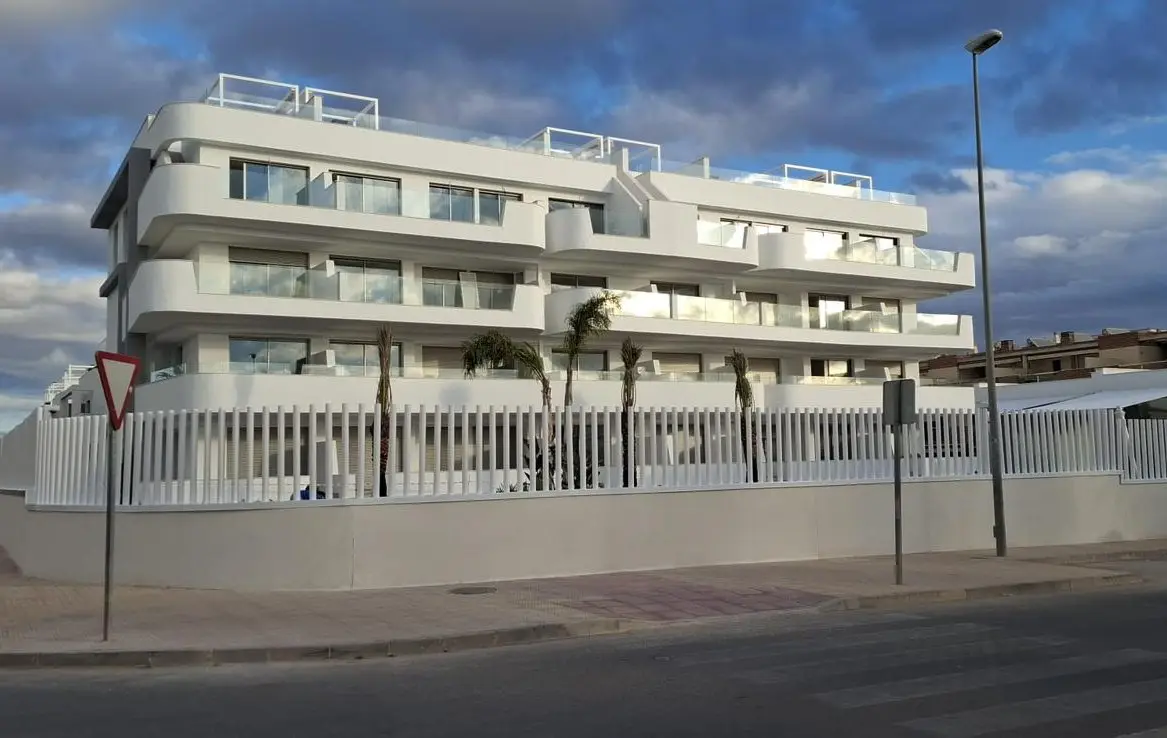
Frequently asked questions
What is the climate like in Cabo Roig?
↓
Cabo Roig enjoys a Mediterranean climate with mild winters and hot summers. Average temperatures range from 12°C in January to 30°C in August, with over 300 sunny days annually. Rainfall is sparse, averaging 250mm per year, mostly in autumn. The dry, sunny weather supports year-round outdoor activities, though summer heat can be intense.
How affordable is living in Cabo Roig?
↓
Living in Cabo Roig is moderately affordable. Groceries cost €200–€300 monthly for a couple, dining out is €10–€15 per meal, and coffee is €1.50. Rent for a two-bedroom apartment ranges €800–€1,200 monthly. Property prices start at €369,000. Public transport is affordable, but many prefer private vehicles.
What healthcare options are available in Cabo Roig?
↓
Cabo Roig offers accessible healthcare with public and private options. Spain’s public system provides free or low-cost care for registered residents. The nearest public hospital, Hospital Vega Baja, is 20 minutes away. Private clinics and insurance are popular for shorter wait times and English-speaking doctors.
Are there good schools for expat children in Cabo Roig?
↓
Cabo Roig has diverse educational options for expat children. Public schools follow the Spanish curriculum, while private bilingual schools offer Spanish-English education. International schools like Elian’s British School cater to expats with British or American curricula. Tuition fees range €5,000–€10,000 annually.
What is the expat community like in Cabo Roig?
↓
Cabo Roig has a diverse international expat community. The town’s relaxed atmosphere, marina, and beaches attract expats from various countries. Community events and social groups foster connections, making it easy for newcomers to integrate and build a social network.
What outdoor activities are popular in Cabo Roig?
↓
Outdoor activities in Cabo Roig include beach days, hiking, and water sports. The Mediterranean climate supports year-round activities, with nearby natural parks offering scenic trails. The marina and coastline provide opportunities for boating, fishing, and swimming.
How is the cost of living compared to other Spanish cities?
↓
Cabo Roig’s cost of living is lower than Madrid or Barcelona. Groceries, dining, and utilities are reasonably priced, and housing costs are moderate. While public transport is affordable, many residents prefer private vehicles. Overall, Cabo Roig offers a balanced lifestyle without urban expenses.