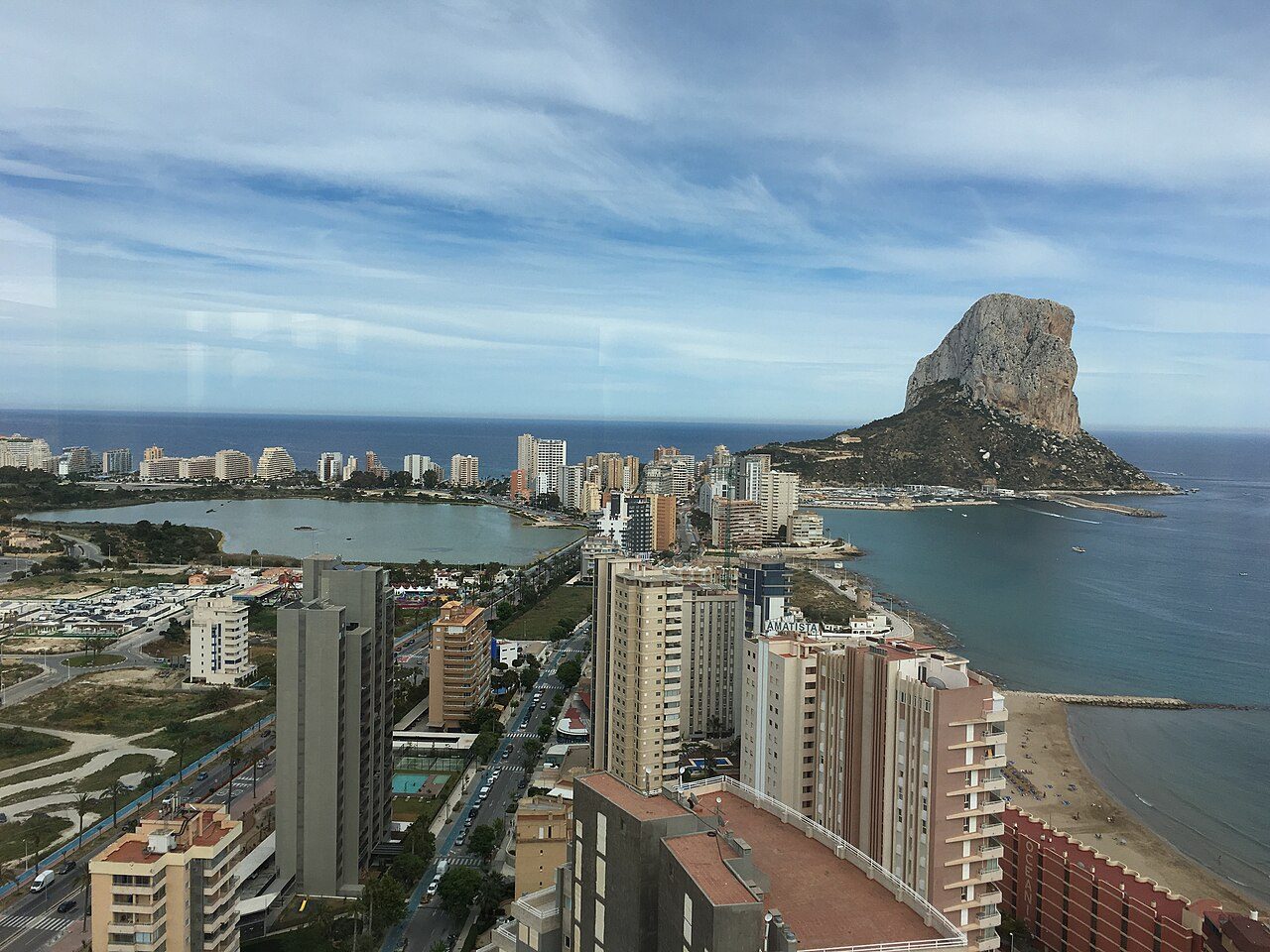
Buying a new build in Calpe involves a structured process for international buyers, from the reservation contract to receiving the keys. This guide uses veritySpain’s analysis of 21 projects in the region, with an average rating of 7.9/10 and prices ranging from €330,000 to €2.8 million. Calpe, a coastal town in Alicante’s Costa Blanca, combines Mediterranean living with robust infrastructure. This guide outlines the practical steps, costs, and timelines specific to the area, providing a clear roadmap for purchasing a new-build property in Spain.
Understanding Calpe’s New-Build Market
Calpe’s new-build market caters to a range of buyers, including retirees and families seeking second homes. Data from veritySpain indicates that properties in the region include modern apartments, townhouses, and villas, with prices influenced by proximity to the coast and available amenities. The average completion timeline for new builds is 18–24 months, though this can vary depending on the developer and project scale. Prices often exclude additional costs such as VAT, notary fees, and registration taxes, which can add 10–12% to the purchase price.
Step 1: Reservation Contract and Due Diligence
The first step in purchasing a new build in Calpe is signing a reservation contract, typically requiring a deposit of €6,000–€15,000 to secure the property. This agreement grants exclusivity while buyers conduct due diligence. Key checks include verifying the developer’s credentials, ensuring the project has planning permission, and confirming completion timelines. Engaging a local lawyer is advisable to review contracts and navigate Spain’s legal framework. Buyers should also inspect the property’s specifications, including materials, finishes, and compliance with building regulations. This stage ensures transparency and minimises risks before proceeding to the purchase contract.
Step 2: Signing the Purchase Contract
After completing due diligence, buyers sign the purchase contract, committing to the transaction. This legally binding document outlines payment terms, typically structured in installments tied to construction milestones. A 30% deposit is standard, followed by additional payments as the project progresses. Buyers should ensure the contract includes a bank guarantee or insurance policy to protect their investment in case of developer insolvency. Notary fees, averaging 1–2% of the purchase price, are payable at this stage. It’s essential to confirm the property’s registration with the Land Registry, safeguarding ownership rights and ensuring compliance with Spanish law.
Step 3: Taxes and Additional Costs
Purchasing a new build in Calpe incurs several taxes and fees. VAT (IVA) is levied at 10% for residential properties, while non-residents may also face wealth tax implications. Transfer tax (ITP) does not apply to new builds, as it is replaced by VAT. Notary and registration fees typically total 1–2% of the purchase price. Buyers should budget an additional €2,000–€5,000 for legal and administrative expenses. It’s crucial to factor in these costs when planning your budget, as they can significantly impact the total investment required.
Step 4: Completion and Handover
The final stage involves property completion and handover. Developers must provide a Certificate of Habitation, confirming the property meets legal standards for occupancy. Buyers conduct a snagging inspection to identify any defects or unfinished work, which the developer is obligated to address. Once satisfied, buyers pay the remaining balance and receive the keys. The property is then registered in the buyer’s name at the Land Registry. This process typically takes 1–2 months. Buyers should also arrange utilities, insurance, and community fees, ensuring a smooth transition into their new home.
Key Takeaways
- Calpe’s new-build market offers diverse options, with prices ranging from €330,000 to €2.8 million.
- Reservation contracts require a deposit and should be followed by thorough due diligence.
- Purchase contracts outline payment terms and must include safeguards against developer insolvency.
- Additional costs, including VAT and notary fees, can add 10–12% to the purchase price.
- Completion involves snagging inspections, final payments, and registration at the Land Registry.
The market in numbers
New-build projects in Calpe
View all
Frequently asked questions
What is the average price of a new build in Calpe?
↓
The average price of a new build in Calpe ranges from €330,000 to €2.8 million. Prices vary based on proximity to the coast, property type, and amenities. Additional costs like VAT and fees can add 10–12% to the total price.
How long does it take to complete a new build in Calpe?
↓
The average completion timeline for a new build in Calpe is 18–24 months. This can vary depending on the developer and project scale. Buyers should confirm timelines during due diligence.
What are the steps to buy a new build in Calpe?
↓
Buying a new build in Calpe involves four steps: reservation contract, purchase contract, taxes and fees, and completion. Each stage includes due diligence, legal checks, and payments tied to construction milestones.
What taxes apply to new builds in Calpe?
↓
Buyers pay 10% VAT for new builds in Calpe. Non-residents may face wealth tax. Transfer tax does not apply. Notary and registration fees typically total 1–2% of the purchase price.
What is a reservation contract in Calpe?
↓
A reservation contract secures a property with a €6,000–€15,000 deposit. It grants exclusivity while buyers conduct due diligence, including verifying developer credentials and planning permissions.
What is included in the purchase contract?
↓
The purchase contract outlines payment terms, typically structured in installments tied to construction milestones. It includes a bank guarantee to protect against developer insolvency and ensures property registration.
What happens during completion and handover?
↓
Completion involves a Certificate of Habitation and snagging inspection. Buyers pay the remaining balance, receive keys, and register the property at the Land Registry to finalize ownership.