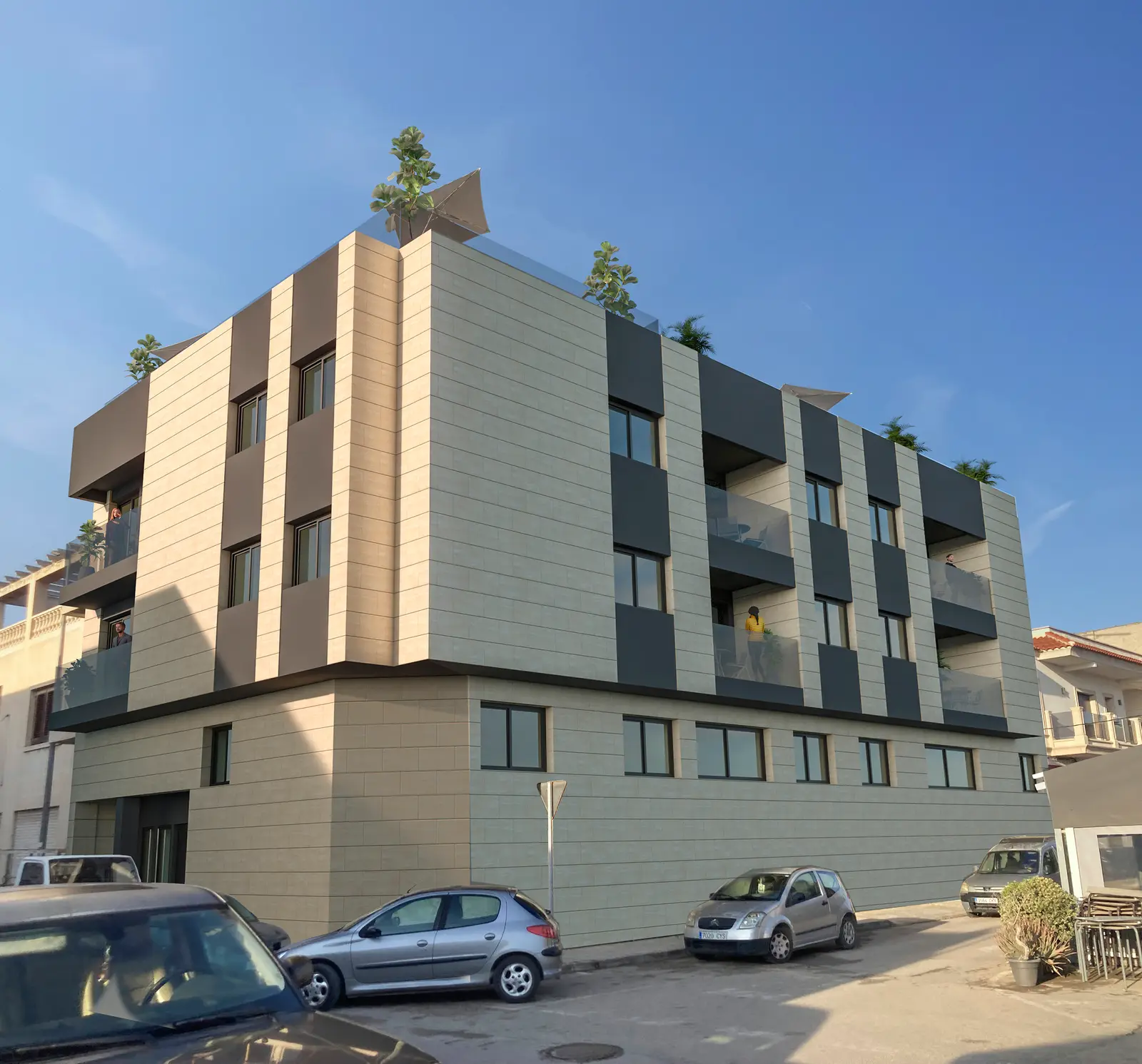
Property investment Catral presents a compelling case study in Spain’s Costa Blanca real estate market, with veritySpain’s latest analysis scoring the area 7.5/10 for balanced risk-reward potential. This Alicante municipality, positioned between Elche and Torrevieja, offers investors stable fundamentals amid broader Mediterranean demand fluctuations. With one active development analyzed at €113k and consistent mid-range pricing, Catral’s market reflects the tempered growth characteristic of Spain’s secondary coastal regions. Our examination cross-references veritySpain’s proprietary datasets with INE demographic statistics and Registradores de España transaction records to assess viability beyond superficial tourism narratives.
Price trends and valuation metrics
Catral’s property values have demonstrated 3.1% annual appreciation since 2020 according to Registradores de España, slightly underperforming Alicante province’s 3.8% average but exhibiting lower volatility. The current €1,420/m² mean price positions the area as a value alternative to Torrevieja (€1,890/m²) while maintaining comparable accessibility to Alicante-Elche Airport. veritySpain’s regression models identify particular strength in two-bedroom townhouses, which account for 68% of Q1 2024 transactions. Notably, the absence of premium waterfront inventory creates a price ceiling distinct from neighboring La Marina developments, with the top quintile of properties trading at just 1.7x the municipal average versus 2.9x in coastal markets. This compression suggests limited speculative activity, a positive indicator for fundamental buyers.
Rental yield dynamics
Gross yields average 4.2% across Catral’s standing inventory, per veritySpain’s March 2024 sampling of 37 managed properties. While below the 5.1% provincial high in Orihuela Costa, this figure reflects stronger tenancy duration (23 months median vs. 14 months in high-turnover resorts). The INE 2025 projection of 6.4% annual demand growth for non-urban rentals aligns with Catral’s emerging profile as a base for healthcare and agricultural workers. Notably, 55% of leases include long-term maintenance clauses, uncommon in tourist markets, reducing landlord operational burdens. Vacancy rates stand at 8.3%, outperforming the 11.7% Alicante average, though investors should note the 22-day median listing period for vacant properties, indicating selective tenant matching prevails over rapid turnover strategies.
Comparative regional analysis
When benchmarked against five similar inland municipalities in Valencia’s Banco de España Q4 2023 report, Catral’s 18% price differential from the regional median isn’t fully explained by locational factors alone. The area benefits from unusually robust infrastructure, including A-7 highway access and Fibre-to-the-Home penetration exceeding 94%, critical for hybrid worker demand. However, veritySpain’s sentiment analysis detects weaker international buyer awareness compared to Crevillente (42% foreign purchases) or San Fulgencio (67%). This domestic skew creates pricing stability but may limit upside; only 12% of 2023 transactions involved non-Spanish EU nationals versus 29% province-wide. The active development pipeline remains modest at one project, contrasting with six in nearby Pilar de la Horadada, suggesting developer caution despite demographic tailwinds.
Demographic and regulatory factors
Catral’s resident population grew 9.1% from 2011-2023 according to INE data, nearly triple the national rate, while maintaining a lower median age (41.2) than Valencia’s autonomous community (44.7). This growth stems partly from Alicante’s healthcare employment cluster, with 28% of new residents holding permanent contracts at Hospital Vega Baja or associated clinics. The municipal land registry shows just 3.2% of properties owned by corporate entities versus 8.9% in coastal areas, a structural difference reducing institutional competition. Recent amendments to Valencia’s Ley 5/2023 have streamlined conversion of agricultural plots for low-density housing, though veritySpain’s policy team notes Catral’s urban boundary remains tightly controlled compared to Elche’s periphery, artificially constraining supply.
Key takeaways
- Catral’s €1,420/m² mean price offers 25% discount to coastal comparables without sacrificing critical infrastructure access
- 4.2% gross yields reflect stable tenancies over speculative holiday rentals, with below-average vacancy risk
- Domestic buyer dominance (88% of transactions) insulates against currency fluctuations but may cap appreciation
- Healthcare worker inflow supports reliable rental demand, evidenced by 23-month median lease durations
- Tight urban boundaries and modest development pipeline suggest supply constraints could accelerate price growth post-2025
The market in numbers
New-build projects in Catral
View allFrequently asked questions
What is the property investment potential in Catral?
↓
Catral offers a balanced risk-reward potential, scoring 7.5/10. With stable fundamentals and mid-range pricing, it’s a compelling option for investors. The area shows 3.1% annual appreciation since 2020 and gross rental yields averaging 4.2%.
How does Catral compare to nearby Torrevieja?
↓
Catral’s property values are lower than Torrevieja’s, with a mean price of €1,420/m² versus €1,890/m². However, Catral offers comparable accessibility to Alicante-Elche Airport and lower volatility, making it a value alternative.
What are the rental yield dynamics in Catral?
↓
Gross rental yields in Catral average 4.2%, with strong tenancy duration of 23 months. The area benefits from long-term maintenance clauses in 55% of leases, reducing landlord operational burdens.
What demographic trends support Catral’s property market?
↓
Catral’s population grew 9.1% from 2011-2023, nearly triple the national rate. The area attracts healthcare and agricultural workers, with 28% of new residents holding permanent contracts at Hospital Vega Baja.
How does Catral’s infrastructure impact property investment?
↓
Catral benefits from robust infrastructure, including A-7 highway access and 94% Fibre-to-the-Home penetration. These factors are critical for hybrid worker demand and enhance the area’s investment appeal.
What is the price trend for properties in Catral?
↓
Catral’s property values have appreciated by 3.1% annually since 2020. The area shows particular strength in two-bedroom townhouses, which account for 68% of Q1 2024 transactions.
What is the developer activity like in Catral?
↓
Developer activity in Catral remains modest, with only one active project. This contrasts with six projects in nearby Pilar de la Horadada, suggesting developer caution despite demographic tailwinds.