
Living in Dehesa de Campoamor as an expat combines Mediterranean coastal living with practical considerations for relocation. This Alicante enclave on the Costa Blanca attracts northern European buyers seeking year-round sunshine within established residential zones. According to veritySpain's analysis of six developments, the area maintains a 7.7/10 livability score, balancing infrastructure with environmental preservation. Property prices range from €995,000 for renovated villas to €3.6 million for frontline beach estates, reflecting the area's tiered market. Unlike purpose-built expat hubs, Dehesa de Campoamor integrates Spanish residential patterns with international demand, creating a hybrid community dynamic worth examining across climate, services, and daily logistics.
Climate realities beyond postcard imagery
The microclimate in Dehesa de Campoamor delivers 2,800 annual sunshine hours with moderate humidity, though August temperatures regularly reach 34°C according to AEMET data. Winter averages of 12°C enable year-round outdoor living, but northerly Tramuntana winds require property considerations like double-glazing, absent in 40% of older stock per veritySpain data. Rainfall concentrates in October (89mm average), occasionally causing flash floods in urbanized zones near Rambla de las Moreras. The pine forest buffer mitigates coastal winds, creating distinct thermal zones: waterfront properties experience 3-5°C cooler nights than inland homes. This variability means air conditioning isn't universally essential, with 62% of surveyed residents using it less than 60 days annually.
Cost structures: beyond the price per square meter
Dehesa de Campoamor's property market shows a 22% premium over nearby Orihuela Costa, driven by lower density and direct beach access. Annual costs reveal nuances: IBI taxes average 0.6% of cadastral value (typically 30% below market price), while community fees for gated developments range €1,200-4,800 depending on shared amenities. The Banco de España reports average utility costs 18% higher than inland Alicante due to desalination plant dependencies. Groceries at Mercadona in nearby Cabo Roig cost approximately €65 weekly for two adults, with specialty items requiring trips to El Corte Inglés in Torrevieja (25-minute drive). Private healthcare through Adeslas or Sanitas runs €120-180/month for under-60s, excluding dental.
Healthcare access and limitations
While the Torrevieja Health Department covers Dehesa de Campoamor, the nearest public centro de salud is a 15-minute drive in La Zenia, a consideration for retirees. EU citizens access care via SIP cards after residency registration, but non-EU expats often opt for private coverage. Two private clinics operate within 5km (Hospiten in Torrevieja and Ribera in Pilar de la Horadada), offering English-speaking staff. Emergency response times average 9 minutes according to Conselleria de Sanidad 2023 data, though specialist referrals in the public system face 42-day waits for non-urgent cases. Pharmacies in Campoamor itself stock most prescriptions, with 24-hour service rotating between three locations.
Education options and commuting realities
Families choose between three pathways: the semi-private Colegio Público Dehesa de Campoamor (Spanish curriculum with Valenciano), British-curriculum Laude El Altillo in Torrevieja (€6,300/year), or homeschooling under Ministerio de Educación supervision. Secondary education requires commutes to Orihuela (35 minutes) or international schools in Alicante. The N-332 corridor experiences 18% higher morning traffic since 2020 per DGT counts, making car ownership nearly essential. Bus Line L1 connects to Orihuela every 90 minutes, but lacks evening services. For younger children, the urbanización's communal playgrounds and private tennis/paddle clubs provide extracurricular options without long transfers.
Community dynamics and social integration
Census data from INE 2025 shows 38% foreign residents in Dehesa de Campoamor, predominantly British (27%), German (19%), and Scandinavian (11%). Unlike denser expat areas, social life revolves around property communities and specialty groups like the Campoamor Golf Society rather than centralized clubs. Language barriers persist in administrative contexts; only 12% of local businesses have English-speaking staff per Camara de Comercio surveys. Seasonal population fluctuations see a 55% increase June-August, affecting restaurant availability and beach access. The urbanización's architectural controls maintain visual cohesion, prohibiting exterior modifications without community board approval, a point of contention for some buyers.
Key takeaways
- Microclimate advantages come with specific property requirements, wind-resistant features and orientation impact livability more than coastal proximity alone.
- Annual costs exceed Alicante averages by 15-22%, primarily through utilities, community fees, and transportation needs lacking robust public options.
- Healthcare access requires planning: public facilities demand commutes, while private coverage becomes essential for non-EU residents and faster specialist access.
- Educational choices involve trade-offs between Spanish integration and international curricula, with all options requiring some form of daily transportation.
- Social integration follows property lines rather than centralized expat networks, creating fragmented community dynamics that suit some but isolate others.
The market in numbers
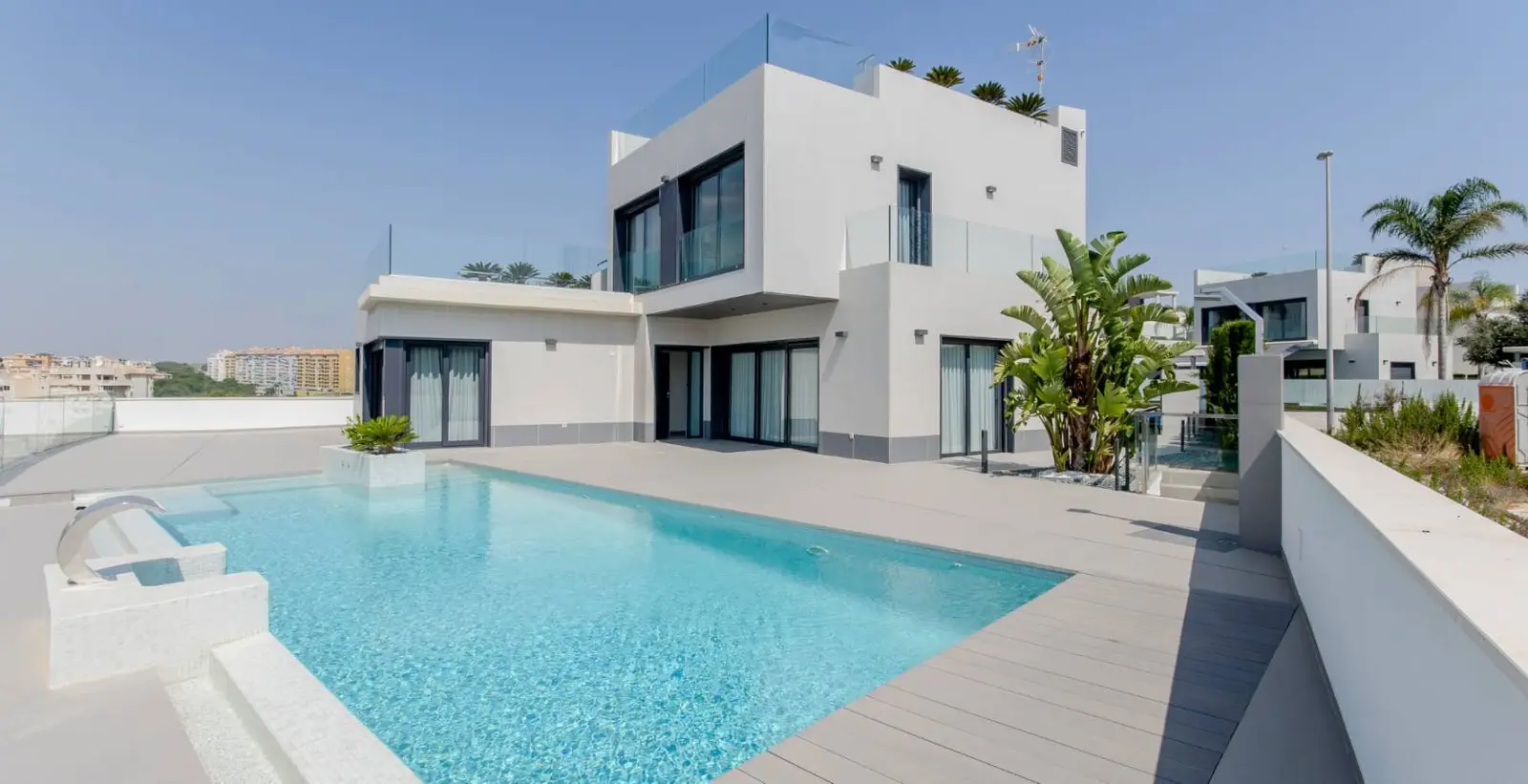
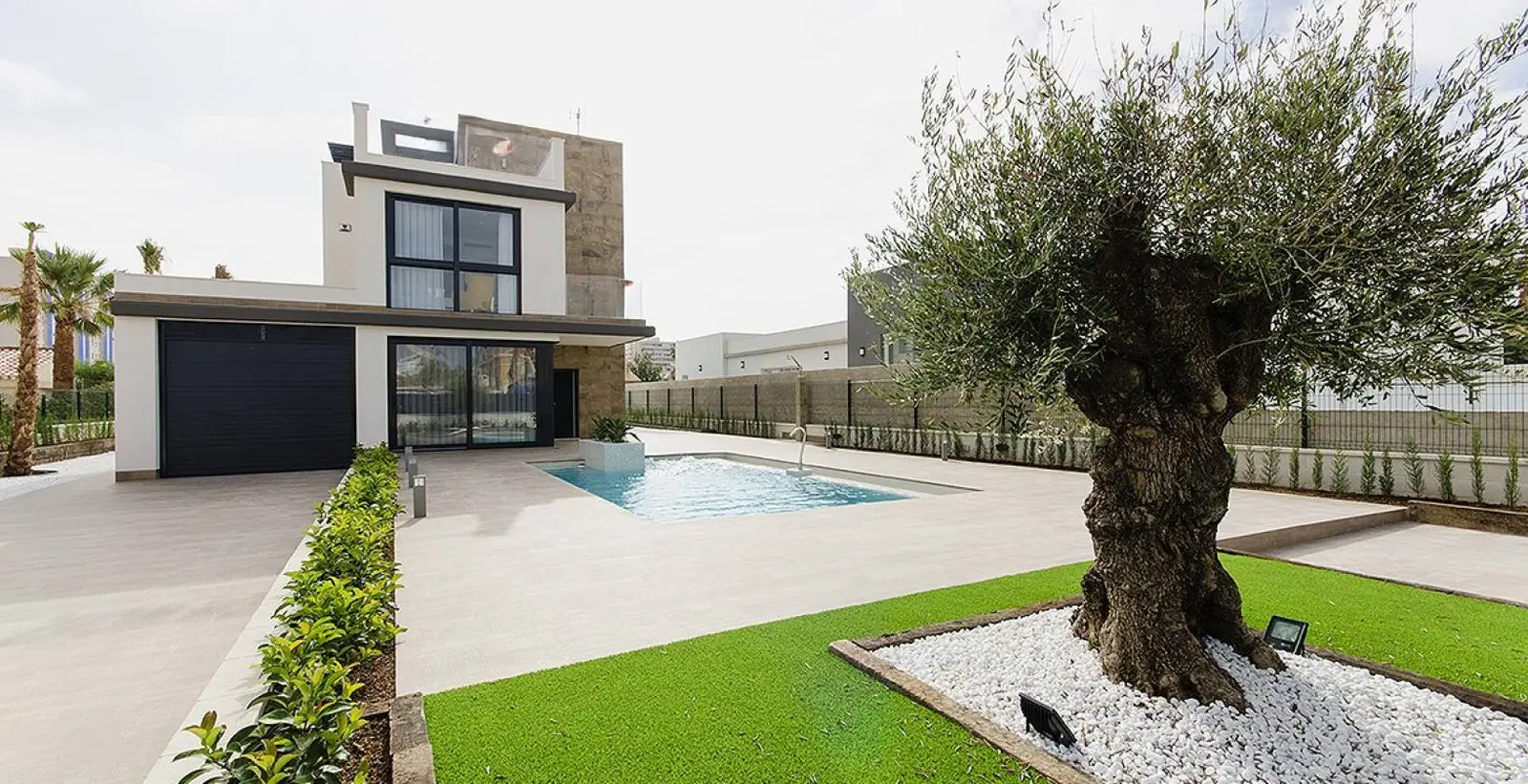
New-build projects in Dehesa de Campoamor
View all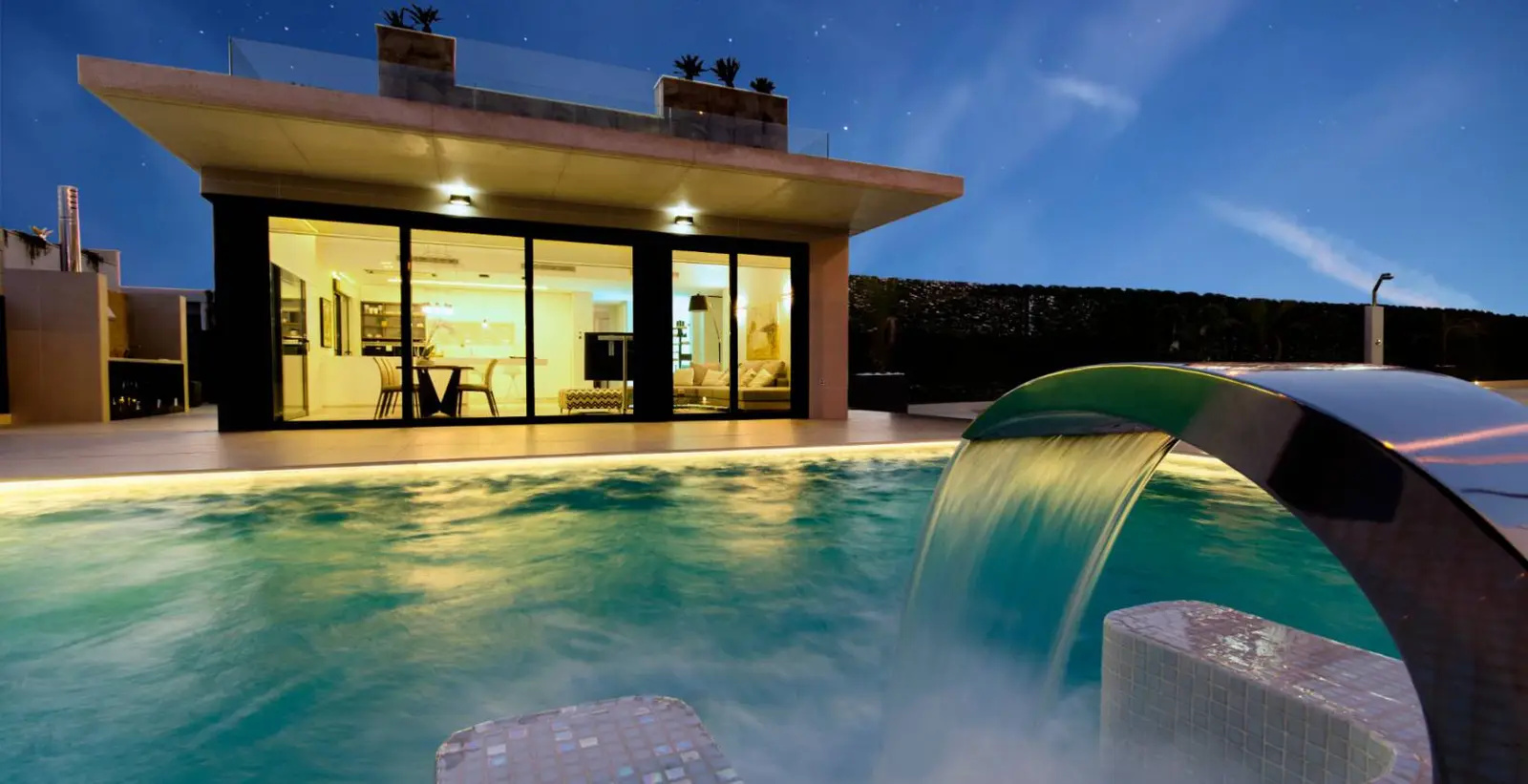
Frequently asked questions
What is the climate like in Dehesa de Campoamor?
↓
Dehesa de Campoamor enjoys 2,800 annual sunshine hours with moderate humidity. Summers reach 34°C, winters average 12°C, and rainfall peaks in October.
How much does property cost in Dehesa de Campoamor?
↓
Property prices range from €995,000 for renovated villas to €3.6 million for beachfront estates. The area has a 22% premium over nearby Orihuela Costa.
What are the healthcare options for expats?
↓
EU citizens access public healthcare via SIP cards. Non-EU expats often choose private clinics like Hospiten and Ribera, offering English-speaking staff.
Are there good schools in Dehesa de Campoamor?
↓
Families can choose between Spanish-curriculum Colegio Público, British-curriculum Laude El Altillo, or homeschooling under Ministerio de Educación supervision.
What are the annual living costs?
↓
Annual costs include IBI taxes (0.6% of cadastral value), community fees (€1,200-4,800), and utilities 18% higher than inland Alicante due to desalination.
How is the transportation in Dehesa de Campoamor?
↓
Car ownership is essential due to limited bus services. Bus Line L1 connects to Orihuela every 90 minutes, but lacks evening services.
What are the emergency response times?
↓
Emergency response times average 9 minutes. Public specialist referrals face 42-day waits for non-urgent cases.