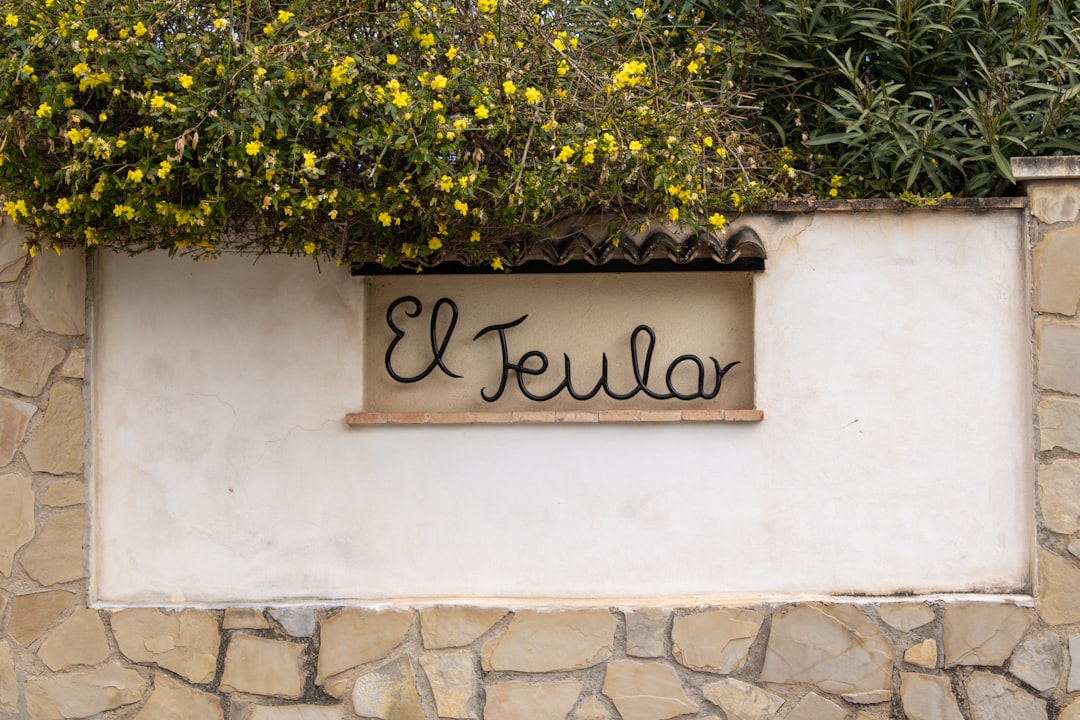
Buying a new build El Verger offers international buyers a structured process with clear timelines and costs, making it an accessible option in Spain’s Costa Blanca region. This guide provides a step-by-step overview, from the reservation contract to receiving the keys, tailored to those unfamiliar with Spanish property laws. Drawing on veritySpain’s analysis of five projects in the area, which scored an average of 7.4/10, this editorial focuses on practical insights and regional specifics. With prices ranging from €245,000 to €493,000, El Verger presents a balanced market for those seeking modern, well-located properties. Whether you’re relocating or investing, understanding the process and costs is essential to making informed decisions.
Understanding the El Verger property market
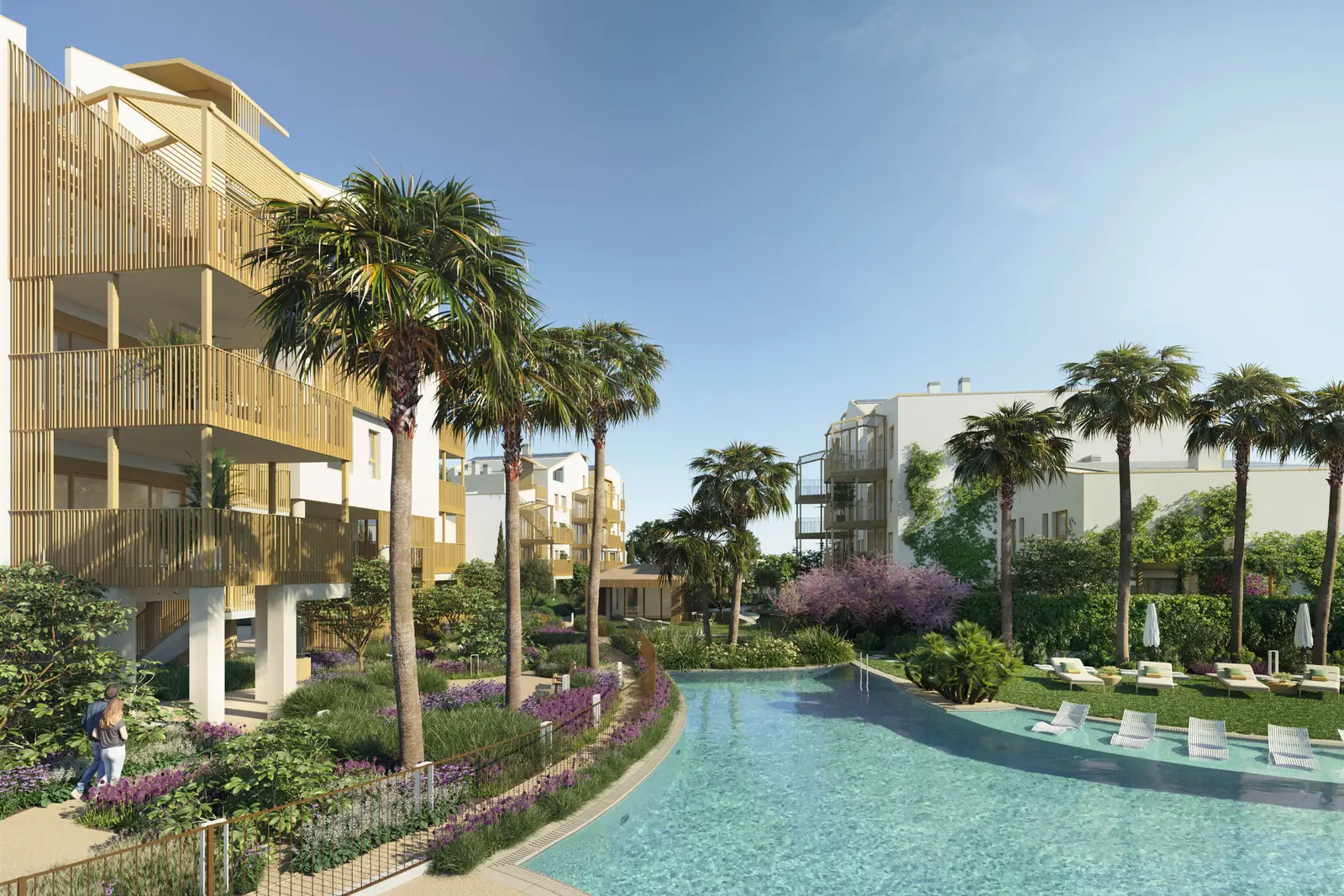
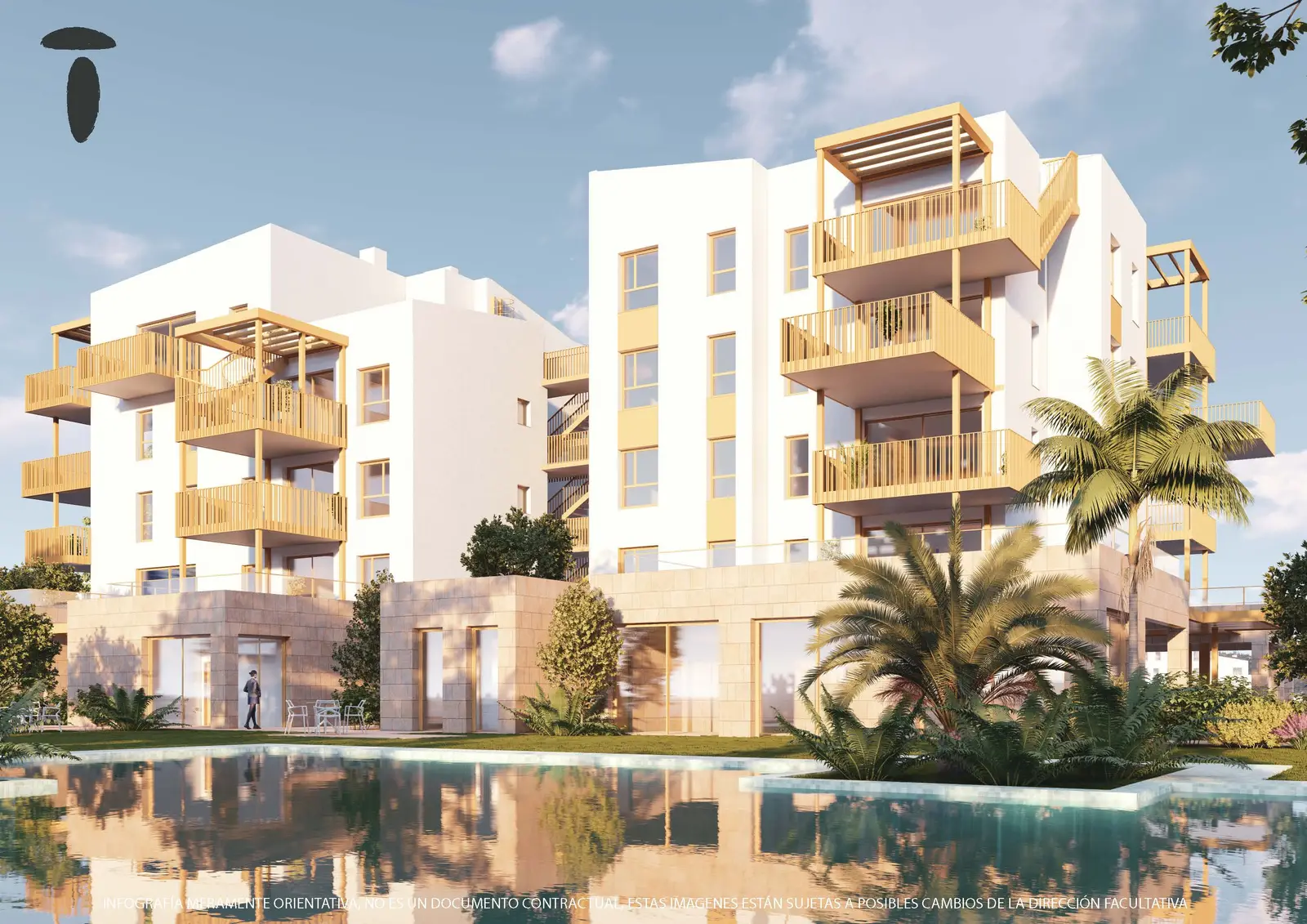
El Verger, located in Alicante’s Costa Blanca, is a growing residential area attracting international buyers due to its proximity to coastal amenities and inland tranquility. The town offers a mix of traditional Spanish charm and modern developments, with new-build properties gaining popularity. According to veritySpain data, the average price per square meter for new builds in El Verger ranges from €1,800 to €2,200, depending on location and project specifications. Projects such as Residencial El Verger and Marina Alta Heights exemplify the diversity in design and pricing. The market is characterized by steady demand, driven by the region’s appeal to northern European retirees and investors. Understanding these dynamics is crucial for buyers to navigate the market effectively.
Step 1: Reservation contract and initial costs
The process begins with a reservation contract, a legally binding agreement that secures the property while due diligence is conducted. Buyers typically pay a reservation fee of €6,000 to €10,000, which is deducted from the final purchase price. This stage allows the developer to remove the property from the market while the buyer arranges financing and legal checks. It’s advisable to engage a Spanish-speaking lawyer to review the contract and ensure compliance with local laws. Additionally, buyers should verify the developer’s credentials and project permits. This step is critical to avoid potential disputes or delays later in the process.
Step 2: Securing financing and tax obligations
For international buyers, securing financing can be a complex process. Spanish banks typically require a 30% deposit, with mortgage terms varying based on income and residency status. Non-residents may face higher interest rates and stricter criteria. Alongside financing, buyers must account for taxes, including VAT (IVA) at 10% for new builds and stamp duty (AJD) at 1.5%. These costs are in addition to the property price and must be factored into the budget. According to Banco de España, mortgage approvals for non-residents average six to eight weeks, emphasizing the need for early preparation. Understanding these financial commitments ensures a smoother transaction.
Step 3: Signing the purchase contract
The purchase contract, or escritura de compraventa, is the final legal document transferring ownership. This stage involves signing before a notary, who ensures the transaction complies with Spanish law. Buyers should confirm that all conditions, such as completion timelines and specifications, are met before signing. The developer typically provides a certificate of occupancy (cédula de habitabilidad) to confirm the property is ready for use. Payment of the remaining balance, including taxes and notary fees, is made at this stage. According to Registradores de España, the registration process takes approximately two weeks, after which the buyer receives the title deed.
Step 4: Receiving the keys and final checks
Once the purchase contract is signed and registered, the buyer receives the keys and takes possession of the property. It’s essential to conduct a thorough inspection to ensure all finishes and installations meet the agreed standards. Developers often provide a warranty period, typically ten years for structural issues and two years for minor defects. Buyers should document any discrepancies and communicate them promptly. Additionally, setting up utilities and registering with local authorities are final administrative steps. This stage marks the culmination of the process, allowing buyers to enjoy their new home in El Verger.
Key takeaways
- El Verger’s new-build market offers properties priced between €245,000 and €493,000, with an average veritySpain rating of 7.4/10.
- Reservation contracts require a fee of €6,000 to €10,000, securing the property during due diligence.
- Buyers must account for VAT (10%) and stamp duty (1.5%) in addition to the property price.
- Mortgage approvals for non-residents typically take six to eight weeks, per Banco de España data.
- Final inspections and warranties ensure the property meets agreed standards before taking possession.
The market in numbers
New-build projects in El Verger
View all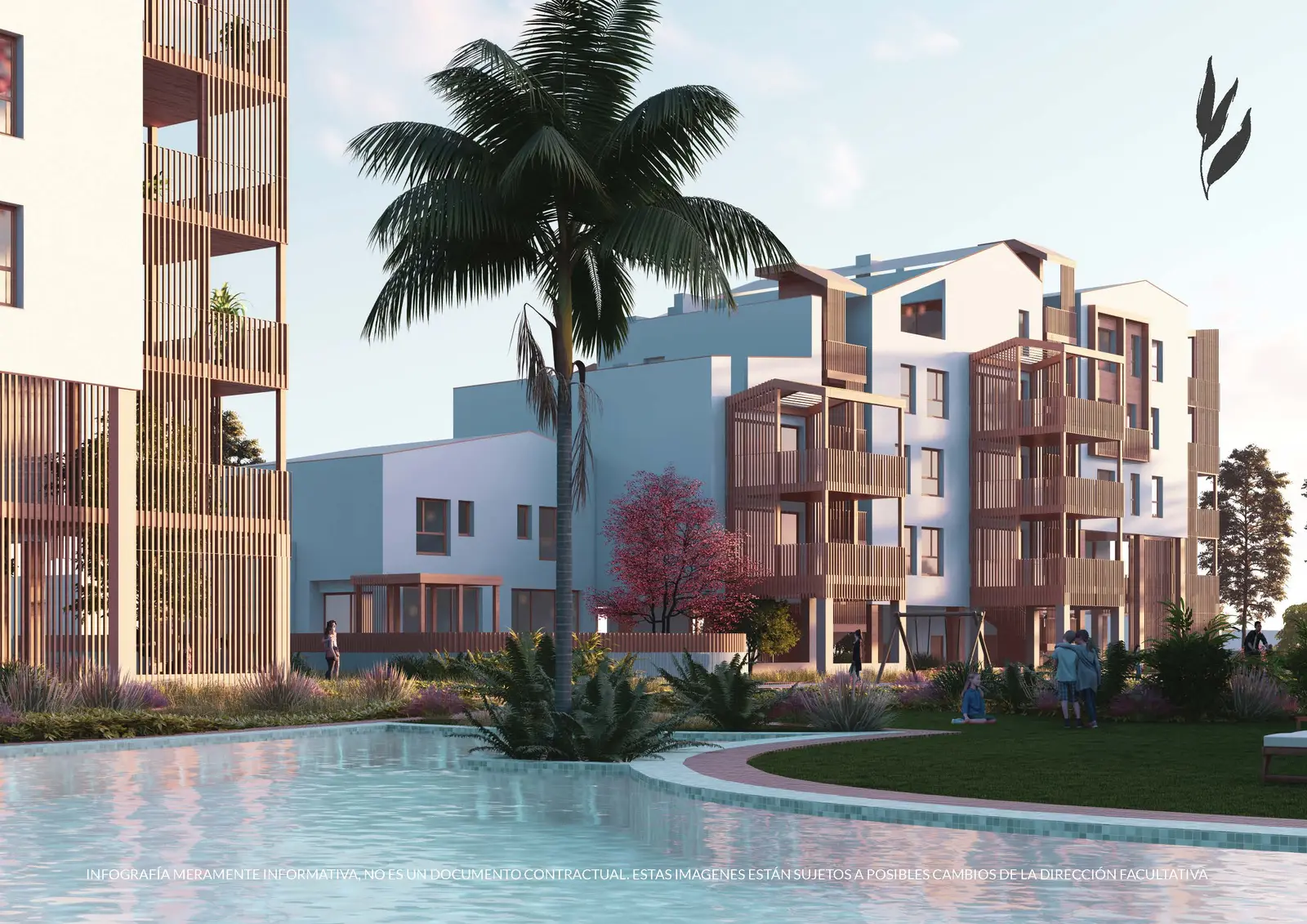
Frequently asked questions
What is the average price of a new build in El Verger?
↓
The average price ranges from €245,000 to €493,000. Prices depend on location and project specifications, with per-square-meter costs between €1,800 and €2,200.
What are the initial costs when buying in El Verger?
↓
Initial costs include a reservation fee of €6,000 to €10,000. This fee secures the property and is deducted from the final purchase price.
What taxes apply to new builds in El Verger?
↓
Buyers pay VAT (IVA) at 10% and stamp duty (AJD) at 1.5%. These taxes are in addition to the property price and must be budgeted.
How long does mortgage approval take for non-residents?
↓
Mortgage approvals for non-residents take six to eight weeks. Spanish banks typically require a 30% deposit and have stricter criteria.
What is the role of a notary in the buying process?
↓
A notary ensures the purchase contract complies with Spanish law. They oversee the signing and registration of the property transfer.
What is a certificate of occupancy in Spain?
↓
A certificate of occupancy confirms the property is ready for use. Developers provide this document before the buyer takes possession.
How long does the registration process take in Spain?
↓
The registration process takes approximately two weeks. After registration, the buyer receives the title deed and property keys.