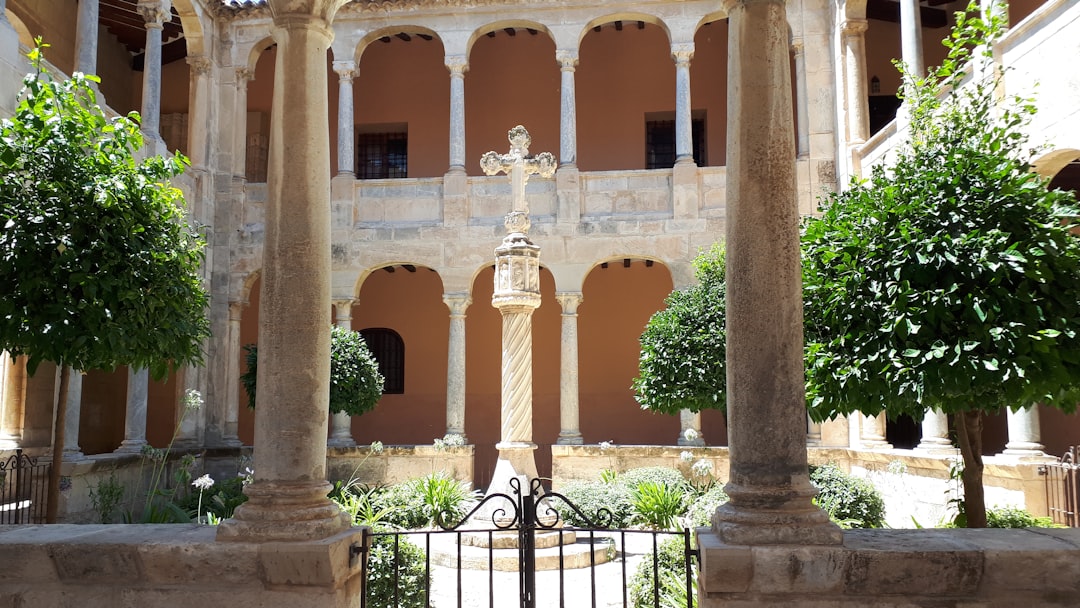
Living in Orihuela as an expat offers a balance of Mediterranean climate, affordability, and established international communities. This analysis examines daily life through five key dimensions, climate, cost of living, healthcare, education, and residential options, drawing on veritySpain's evaluation of local projects (average rating 7.0/10, price range €255k–€670k). Orihuela's dual identity as a historic inland town and coastal hub creates distinct lifestyle choices, particularly between Orihuela Costa's expat-heavy developments and the quieter authenticity of the old town. Data from Spanish registries and financial institutions contextualize these findings for prospective residents prioritizing factual insights over promotional claims.
Climate: 320 days of sunshine with seasonal contrasts
Orihuela's climate follows Alicante province's pattern of hot summers (averaging 31°C in August) and mild winters (January lows of 6°C), with veritySpain data showing 18% higher annual sunlight hours than northern European cities. The microclimate varies significantly between coastal and inland zones, sea breezes moderate coastal temperatures by 3-5°C compared to the historic center. Rainfall concentrates in autumn, with the Segura River basin experiencing occasional flash floods (12 incidents recorded by Banco de España climate risk assessments since 2010). Humidity peaks at 75% in September, dropping to 55% in spring, making this region particularly suitable for those with respiratory conditions. The nearby Sierra de Orihuela provides natural wind barriers, reducing storm intensity.
Cost of living: 23% below Madrid averages
A couple's monthly budget in Orihuela averages €1,800 excluding rent, with supermarket costs 11% lower than Barcelona according to INE 2025 data. Property taxes (IBI) range from €400-€900 annually for typical expat homes, while community fees in coastal developments add €50-€180 monthly. Public transport remains limited, a car is advisable, with diesel priced 8% below EU average. Dining out costs reflect Orihuela's working-town character: menú del día averages €12.50 versus €16 in tourist-centric Torrevieja. Utilities for a 90m² apartment average €140 monthly, though older properties may lack insulation. Notably, Orihuela Costa's commercial centers have higher price points than traditional markets like Mercado de Orihuela, where fresh produce costs 30% less.
Healthcare: mixed public-private access
The Vega Baja health department operates two public centers in Orihuela (Centro de Salud Orihuela and Centro de Salud La Aparecida), with average 8-day wait times for non-urgent GP appointments. Private insurance costs €60-€120 monthly for expats, granting access to HOSPITAL VEGA BAJA (public) or private facilities like Clinica Vistahermosa in Alicante (45-minute drive). Pharmacies provide full prescription services, with 24-hour availability rotating among 12 central locations. Dental care proves particularly cost-effective, implants average €900 versus €1,500 in Germany. The area's elderly population (28% over 65 per Registradores de España) ensures strong geriatric services but can strain resources during winter months when seasonal residents return.
Education: international options versus local integration
Orihuela Costa hosts three state bilingual schools (CEIP Playas de Orihuela, CEIP Los Dolses) with 40-60% international student populations. Private options include the British curriculum Elian's British School (€5,300-€8,900 annually) and Lope de Vega International School (German/Spanish bilingual). Secondary students typically commute to larger institutions in Torrevieja or Alicante, with bus subsidies available for EU nationals. Adult education centers like CEA Orihuela offer intensive Spanish courses (€180/60 hours), critical for navigating bureaucratic processes. Homeschooling remains legally complex, only 12 registered cases exist in the municipality per INE 2025 education reports. Notably, the University of Miguel Hernández in nearby Elche provides tertiary options for long-term resident families.
Residential dynamics: coastal versus historic living
Orihuela Costa's 27 urbanizations (85% foreign-owned per Registradores de España 2024 data) contrast with the historic center's Spanish-majority occupancy. The coastal strip's apartment-heavy inventory (72% of veritySpain's analyzed stock) averages €2,100/m², while inland townhouses near Plaza de Santiago average €1,650/m². New developments like Blue Lagoon (€670k villas) target premium markets, whereas resale properties in areas like La Zenia offer better value at €255k-€380k. Community integration varies significantly, coastal areas maintain strong British/German social clubs, while the historic center requires Spanish fluency for full participation. Rental yields average 4.2% gross, below Alicante city's 5.1% but with lower vacancy risks during off-seasons.
Key takeaways
- Orihuela provides cost advantages over major Spanish cities, particularly for groceries and property taxes, offset by transportation limitations
- Healthcare access requires strategic planning, public system coverage depends on residency status, while private options remain affordable
- Educational choices bifurcate between international curricula schools and Spanish-state bilingual programs with higher integration demands
- Property markets show clear segmentation between expat-focused coastal developments and traditionally Spanish inland neighborhoods
- Climate benefits come with seasonal adjustments, particularly summer heat mitigation and autumn rainfall preparedness
The market in numbers
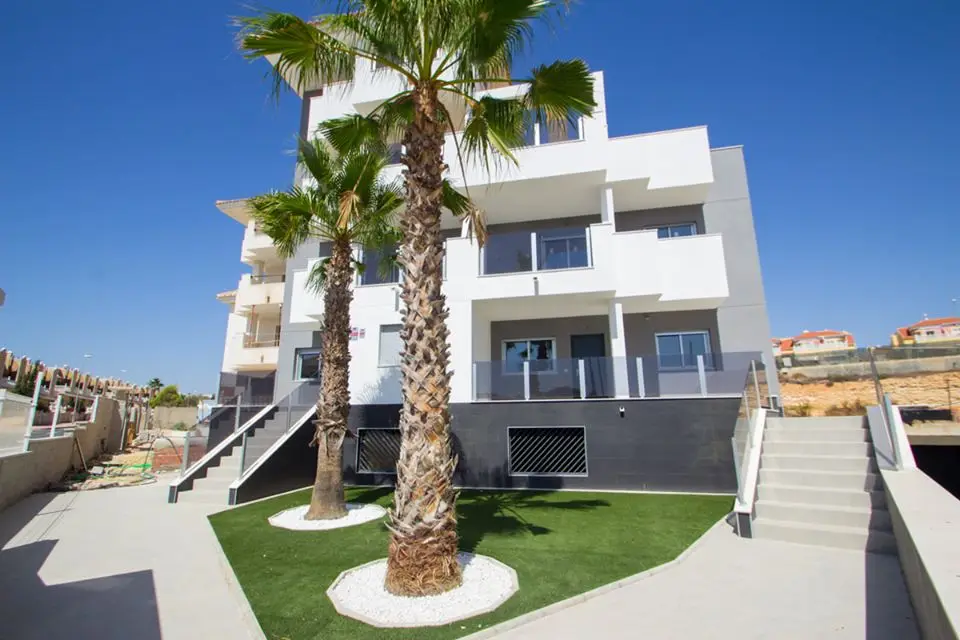
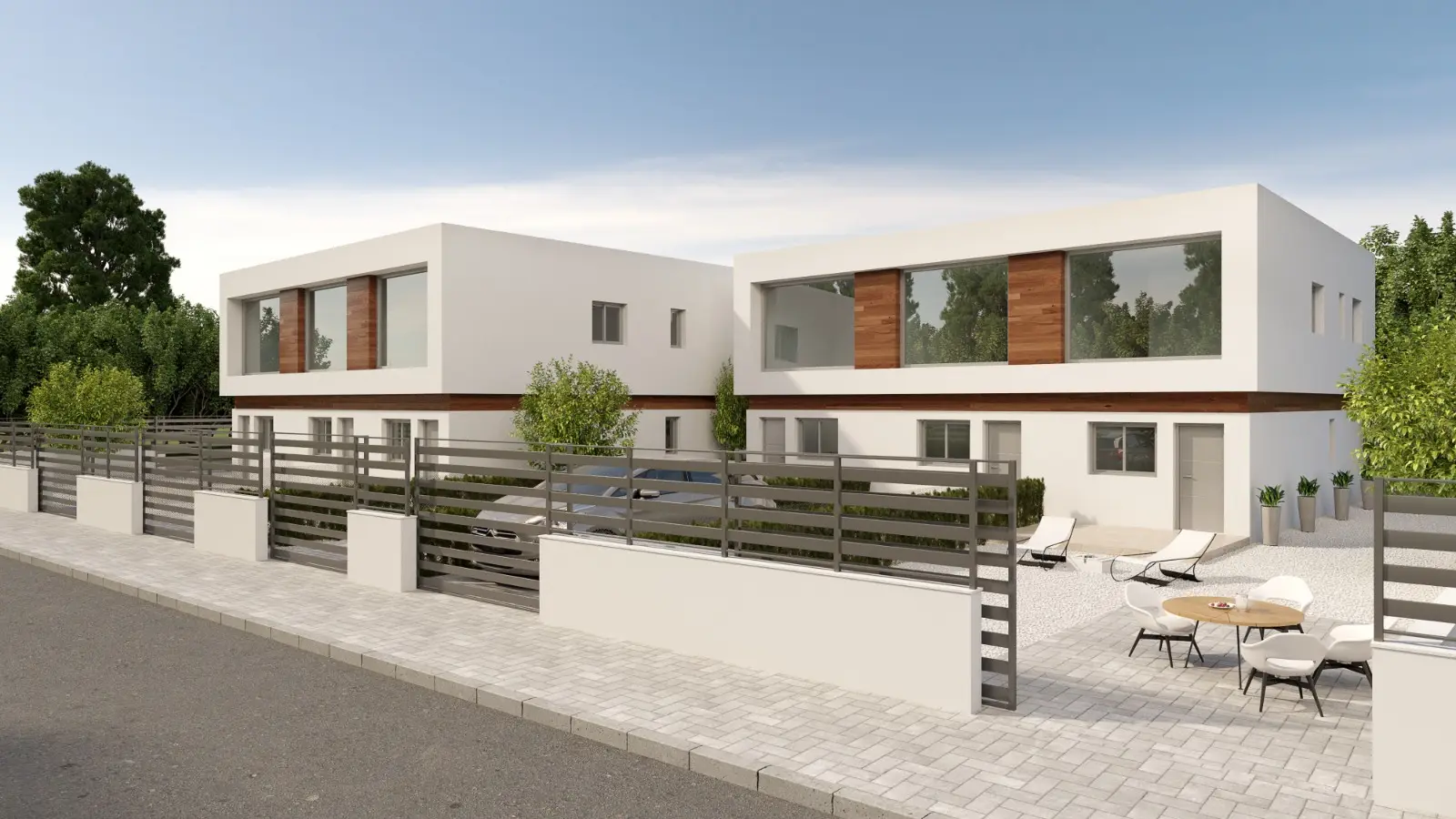
New-build projects in Orihuela
View all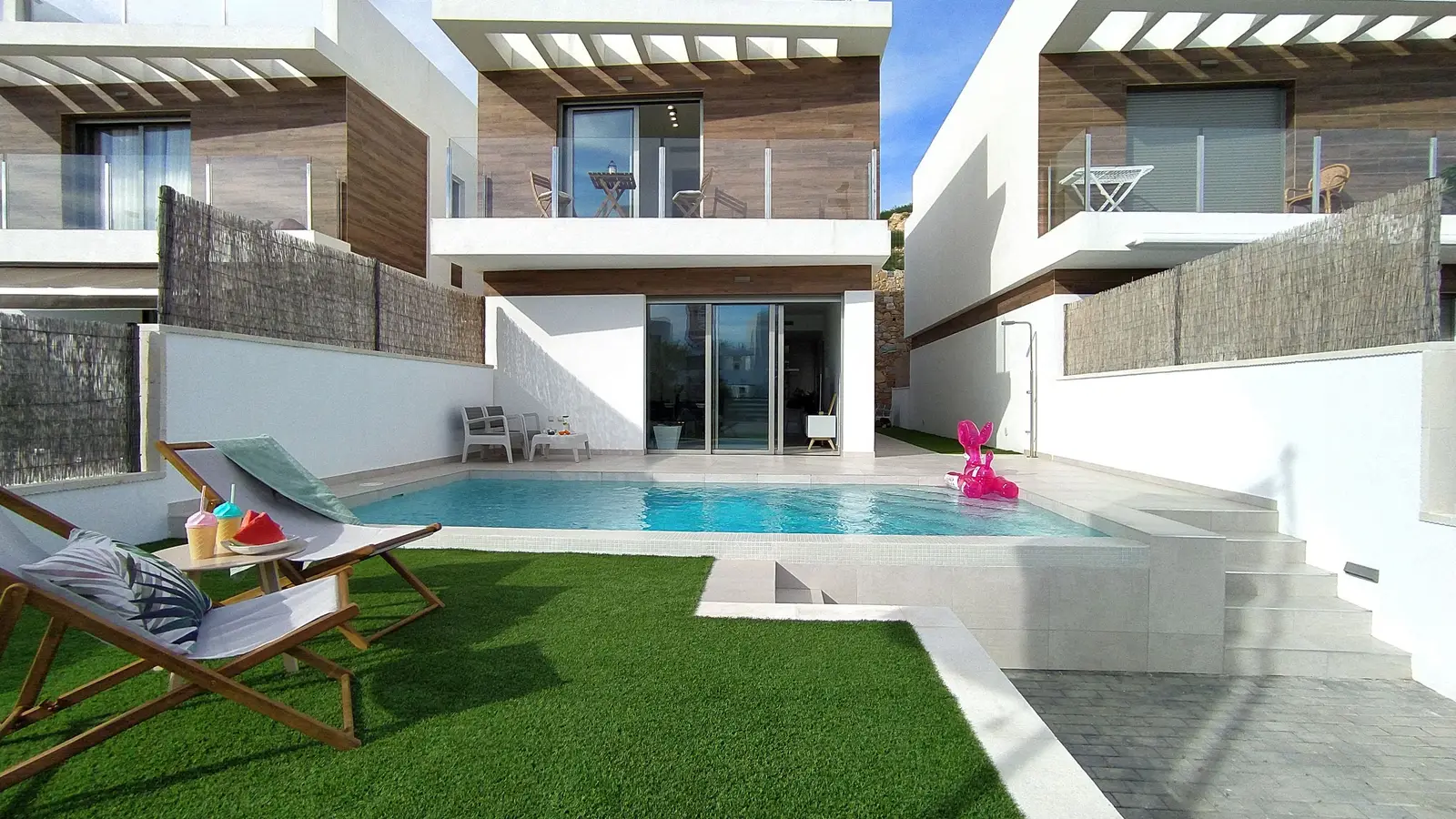
Frequently asked questions
What is the climate like in Orihuela?
↓
Orihuela enjoys 320 days of sunshine annually, with hot summers averaging 31°C and mild winters around 6°C. Coastal areas benefit from sea breezes, moderating temperatures by 3-5°C compared to the inland historic center.
How affordable is living in Orihuela?
↓
Living in Orihuela costs 23% less than Madrid. A couple’s monthly budget averages €1,800 excluding rent, with supermarket prices 11% lower than Barcelona and dining out averaging €12.50 for menú del día.
What healthcare options are available in Orihuela?
↓
Orihuela offers mixed public-private healthcare. Public centers have 8-day GP wait times, while private insurance costs €60-€120 monthly. Dental care is cost-effective, with implants averaging €900.
Are there international schools in Orihuela?
↓
Yes, Orihuela Costa hosts bilingual schools like Elian's British School and Lope de Vega International School, catering to expat families with annual fees ranging from €5,300 to €8,900.
What are the residential options in Orihuela?
↓
Orihuela offers diverse residential options, from expat-heavy coastal developments to the quieter authenticity of the old town, with property prices ranging from €255k to €670k.
How is the education system in Orihuela?
↓
Orihuela’s education system includes state bilingual schools and private international options. Secondary students often commute to larger institutions, with bus subsidies available for EU nationals.
What is the cost of utilities in Orihuela?
↓
Utilities for a 90m² apartment average €140 monthly. Older properties may lack insulation, potentially increasing heating costs during cooler months.