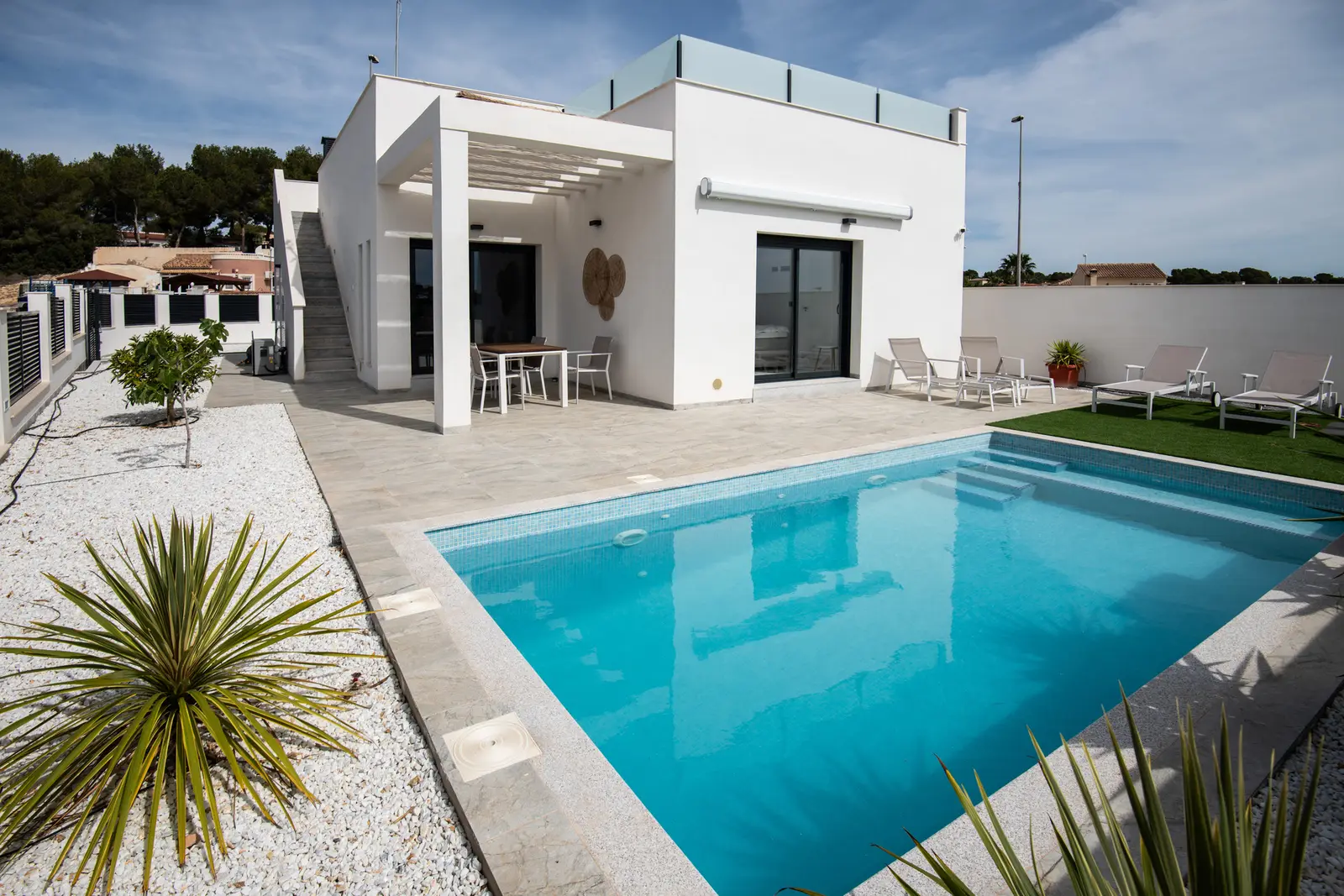
Living in Pinar de Campoverde as an expat offers a blend of tranquillity and practicality, making it a compelling choice for those seeking a slower pace of life on Spain’s Costa Blanca. This residential area, nestled inland from the coastal bustle, provides a peaceful environment while remaining accessible to essential amenities. According to veritySpain data, the area scores an average of 7.6/10 for its appeal to expats, with property prices ranging from €330,000 to €423,000 across two analysed projects. This article explores daily life in Pinar de Campoverde, focusing on climate, cost of living, healthcare, schools, and community dynamics, offering a factual overview for those considering relocation.
Climate and Environment
Pinar de Campoverde enjoys a Mediterranean climate characterised by mild winters and hot summers, typical of the Alicante region. Average temperatures range from 10°C in January to 30°C in August, with over 300 days of sunshine annually. The area’s inland location shields it from coastal humidity, creating a drier, more comfortable atmosphere. Rainfall is sparse, averaging around 250mm per year, concentrated mainly in autumn. The surrounding pine forests and green spaces contribute to a refreshing environment, though water conservation is a growing concern due to Spain’s ongoing drought challenges. veritySpain data highlights the area’s appeal for those seeking a warm, stable climate without the intensity of coastal humidity.
Cost of Living
The cost of living in Pinar de Campoverde is moderate compared to Spain’s coastal hotspots, making it an attractive option for expats. Groceries, utilities, and dining out are reasonably priced, with a monthly grocery bill for two averaging €200–€250. Property prices, as noted by veritySpain, range from €330,000 to €423,000, reflecting the area’s appeal to mid-range buyers. Renting is less common, but a three-bedroom house can cost around €800–€1,000 per month. Public transportation is limited, necessitating a car for most residents, with fuel costs slightly lower than the EU average. Overall, Pinar de Campoverde offers a balanced lifestyle for those seeking affordability without sacrificing quality.
Healthcare
Healthcare in Pinar de Campoverde is accessible and reliable, with both public and private options available. The nearest public health centre is in Pilar de la Horadada, approximately 10 kilometres away, offering general medical services. For specialised care, residents can visit hospitals in Torrevieja or Murcia, both within a 30-minute drive. Private healthcare is popular among expats, with clinics in nearby towns providing English-speaking doctors and shorter wait times. Spain’s public healthcare system, ranked among the best in Europe, is available to legal residents, though many expats opt for private insurance for added convenience. The area’s healthcare infrastructure ensures peace of mind for retirees and families alike.
Schools and Education
Educational options in Pinar de Campoverde are limited, with most families commuting to nearby towns for schooling. Public primary schools in Pilar de la Horadada cater to younger children, while secondary education requires travel to Torrevieja or Murcia. International schools are available in the region, such as the British School of Murcia, offering curricula in English. According to INE 2025, Spain’s education system is undergoing reforms aimed at improving bilingual programmes and digital literacy, which may benefit expat families in the long term. While the area lacks extensive educational facilities, its proximity to larger towns ensures access to quality schooling options.
Community and Lifestyle
The expat community in Pinar de Campoverde is small but active, with residents primarily from Northern Europe. Social life revolves around local clubs, cultural events, and outdoor activities, fostering a sense of camaraderie. The area’s tranquillity appeals to retirees, though younger families are increasingly drawn to its affordability and proximity to coastal amenities. According to Registradores de España, property sales to foreign buyers in the region have remained steady, reflecting sustained interest. While Pinar de Campoverde lacks the vibrancy of larger towns, its tight-knit community and relaxed lifestyle make it an appealing choice for those seeking a quieter pace of life.
Key Takeaways
- Pinar de Campoverde offers a Mediterranean climate with mild winters and hot summers, ideal for outdoor living.
- The cost of living is moderate, with property prices ranging from €330,000 to €423,000.
- Healthcare is accessible, with public and private options available in nearby towns.
- Educational facilities are limited, requiring commuting to larger towns for schooling.
- The expat community is small but active, fostering a relaxed and communal lifestyle.
The market in numbers
New-build projects in Pinar de Campoverde
View all
Frequently asked questions
What is the climate like in Pinar de Campoverde?
↓
Pinar de Campoverde enjoys a Mediterranean climate with mild winters, hot summers, and over 300 sunny days annually. Average temperatures range from 10°C in January to 30°C in August, with low humidity due to its inland location.
How affordable is living in Pinar de Campoverde?
↓
Living in Pinar de Campoverde is moderately affordable. Groceries cost €200–€250 monthly for two, and property prices range from €330,000 to €423,000. Renting a three-bedroom house costs €800–€1,000 per month.
What healthcare options are available in Pinar de Campoverde?
↓
Healthcare in Pinar de Campoverde includes public and private options. The nearest public health centre is in Pilar de la Horadada, while hospitals in Torrevieja and Murcia offer specialised care. Many expats opt for private insurance.
Are there good schools in Pinar de Campoverde?
↓
Educational options in Pinar de Campoverde are limited. Families commute to nearby towns for schooling, with public primary schools in Pilar de la Horadada and international schools like the British School of Murcia available.
What is the expat community like in Pinar de Campoverde?
↓
The expat community in Pinar de Campoverde is small but active, primarily consisting of Northern Europeans. Social life revolves around local clubs, cultural events, and outdoor activities.
Is Pinar de Campoverde suitable for retirees?
↓
Yes, Pinar de Campoverde is ideal for retirees. Its peaceful environment, accessible healthcare, and moderate cost of living make it a popular choice for those seeking a slower pace of life.
How is the transportation in Pinar de Campoverde?
↓
Public transportation in Pinar de Campoverde is limited. Most residents rely on cars for commuting, with fuel costs slightly lower than the EU average. A car is essential for daily activities.