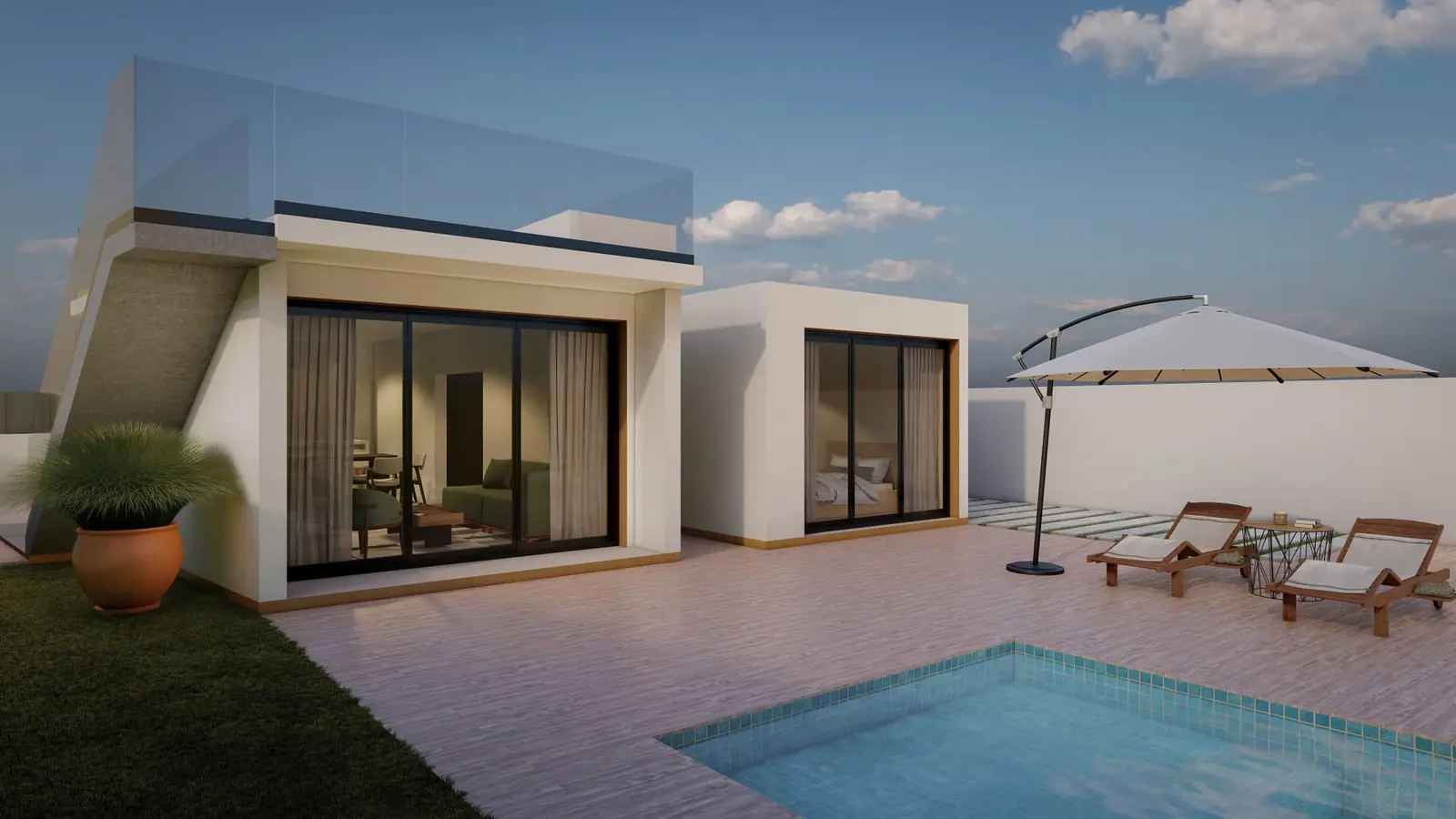
Buying a new build in Las Casicas, Murcia, Costa Cálida, Spain, offers a structured process for international buyers seeking a property in this growing region. With an average rating of 6.9/10 from veritySpain and a typical price range of €360,000, the market here is defined by its accessibility and transparency. This guide provides a step-by-step overview of the process, from the reservation contract to obtaining the keys, while detailing costs, taxes, and timelines specific to the area. Drawing on veritySpain’s analysis of one project, this editorial aims to equip buyers with the practical knowledge needed to navigate the market confidently.
Understanding the Las Casicas Property Market
Las Casicas, located in the Murcia region of Costa Cálida, has seen steady interest from international buyers due to its Mediterranean climate and proximity to amenities. The analysed project by veritySpain highlights a price point of €360,000, reflecting the region’s affordability compared to other coastal areas in Spain. The average rating of 6.9/10 suggests a balance between quality and value, with room for improvement in certain developments. Key factors influencing the market include the area’s infrastructure, local regulations, and the availability of new-build properties. Buyers should note that Murcia’s property laws are aligned with national Spanish regulations, ensuring a standardized process. The region’s appeal lies in its blend of rural charm and modern conveniences, making it a viable option for those seeking a quieter lifestyle.
The Reservation Contract: First Steps
The purchase process begins with a reservation contract, a legally binding agreement that secures the property for the buyer. Typically, buyers pay a deposit of €6,000–€12,000, which is deducted from the final purchase price. This step ensures the property is taken off the market while due diligence is conducted. It is crucial to review the contract carefully, as it outlines the terms of the sale, including the timeline and any penalties for withdrawal. Buyers should engage a local lawyer to verify the developer’s credentials and ensure the property is free of liens or legal issues. This stage also involves obtaining a NIE (Número de Identificación de Extranjero), a tax identification number required for all property transactions in Spain.
Signing the Private Purchase Contract
Once the reservation period concludes, buyers proceed to the private purchase contract (contrato de compraventa). This document formalizes the agreement between buyer and developer and typically requires a deposit of 10% of the property’s value. The contract includes detailed information about the property, payment schedules, and completion deadlines. Buyers should ensure the contract specifies penalties for delays in construction or delivery. At this stage, it is advisable to arrange a property valuation to confirm the purchase price aligns with market standards. Additionally, buyers must budget for notary fees, which typically range from €600–€1,200, and land registry fees, averaging €400–€800. These costs are standard in Spain and should be factored into the overall budget.
Finalizing the Purchase: Taxes and Fees
The final stage involves signing the deed of sale (escritura pública) at the notary’s office and registering the property with the Land Registry. Buyers must pay VAT (IVA) at 10% of the purchase price, applicable to new-build properties in Spain. Additionally, a property transfer tax (Impuesto sobre Transmisiones Patrimoniales) is levied, typically at 8%–10% depending on the region. According to Registradores de España, these taxes are mandatory and must be settled within 30 days of signing the deed. Buyers should also account for community fees, which cover maintenance of shared spaces and facilities. These fees vary but generally range from €50–€150 per month. Once all payments are made, buyers receive the keys and officially take ownership of the property.
Key Takeaways
- Las Casicas offers affordable new-build properties, with veritySpain reporting an average price of €360,000.
- The reservation contract requires a deposit of €6,000–€12,000 and secures the property during due diligence.
- The private purchase contract formalizes the sale and typically includes a 10% deposit.
- Buyers must budget for VAT at 10% and property transfer tax at 8%–10%, according to Registradores de España.
- Engaging a local lawyer and obtaining a NIE are essential steps for international buyers.
The market in numbers
New-build projects in Las Casicas
View allFrequently asked questions
What is the average price of a new build in Las Casicas?
↓
The average price of a new build in Las Casicas is €360,000. This reflects affordability compared to other coastal areas in Spain. Buyers should budget for additional costs like taxes and fees.
What is a reservation contract in Spain?
↓
A reservation contract secures the property for the buyer. It requires a deposit of €6,000–€12,000, deducted from the final price. This step ensures the property is off the market during due diligence.
What taxes apply to new builds in Las Casicas?
↓
Buyers pay VAT at 10% and a property transfer tax of 8%–10%. These taxes are mandatory and must be settled within 30 days of signing the deed. Budget for these costs in your purchase plan.
What is the NIE number in Spain?
↓
The NIE (Número de Identificación de Extranjero) is a tax ID required for property transactions. International buyers must obtain this number before purchasing a property in Spain. It’s essential for legal and financial processes.
What are the notary fees in Spain?
↓
Notary fees in Spain typically range from €600–€1,200. These fees cover the legal formalization of the property purchase. Buyers should include this cost in their overall budget for a new build.
What are community fees in Las Casicas?
↓
Community fees cover maintenance of shared spaces and facilities. In Las Casicas, these fees generally range from €50–€150 per month. They are an ongoing cost for property owners.
What is the private purchase contract in Spain?
↓
The private purchase contract formalizes the agreement between buyer and developer. It requires a 10% deposit and includes payment schedules and completion deadlines. Ensure penalties for delays are specified.