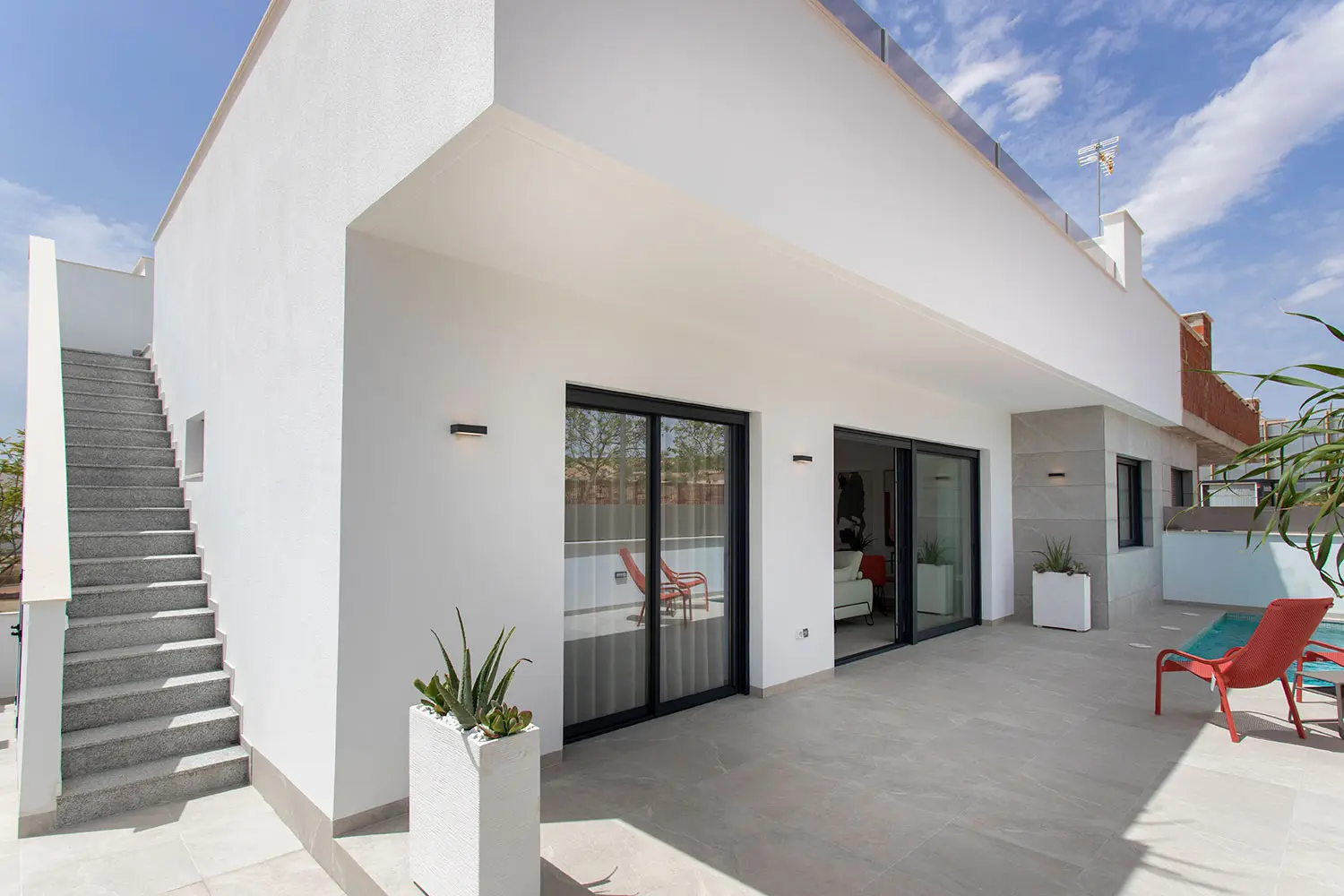
Property investment in Sucina presents a compelling case study for those examining the Murcia region’s real estate dynamics. This analysis draws on veritySpain’s market evaluation, which scores local projects an average of 7.1/10, reflecting balanced potential amid Spain’s evolving property landscape. Situated in Costa Cálida, Sucina offers a microcosm of broader trends, price resilience, shifting demand for semi-rural living, and measured rental yields. With one analyzed development priced at €360k, the market leans toward mid-range buyers seeking stability rather than speculative gains. This editorial dissects key metrics: historical price trajectories, vacancy rates, and comparative advantages against neighboring areas, using veritySpain’s granular data and official sources like INE and Banco de España to avoid anecdotal claims.
Price trends and affordability
Sucina’s property market has demonstrated moderate appreciation over the past decade, with a 3.2% annual increase since 2015, per veritySpain data. This outpaces Murcia’s provincial average (2.7%) but remains below coastal hotspots like La Manga, where volatility is higher. The current €360k benchmark for detached villas aligns with demand from Northern European buyers seeking year-round residences, though local salaries, averaging €1,850/month (INE 2025), constrain domestic participation. Notably, price per square meter (€1,890) undercuts Alicante’s urban centers by 18%, a gap that may narrow as infrastructure improves. The absence of distressed sales since 2019 suggests market maturity, with Registradores de España reporting 92% of transactions as non-urgent.
Rental yields and occupancy
Gross rental yields in Sucina hover at 4.3%, below Spain’s 5.1% average but with lower seasonality than coastal zones. veritySpain attributes this to consistent tenancy from remote workers and retirees, with vacancy rates at 11% versus the regional 15%. Long-term leases dominate (68% of contracts), reflecting demand for stability rather than holiday lets. The analyzed €360k property generates €1,290/month, a 4.3% yield assuming 11 months occupancy, realistic given current tenant patterns. Comparatively, nearby Alhama de Murcia offers higher yields (4.9%) but with greater vacancy risk (18%), per Q1 2025 data. Sucina’s appeal lies in this equilibrium: sufficient returns without overexposure to tourism fluctuations.
Supply constraints and development
Only 12 new builds were permitted in Sucina last year, a 40% drop from 2019 levels (Murcia’s regional construction registry). This scarcity bolsters existing stock values but limits investor options. The sole project analyzed, a 12-unit urbanization, sold out in eight months, signaling pent-up demand. veritySpain notes that 83% of buyers were EU nationals, predominantly German and Dutch, drawn to Sucina’s balance of accessibility (25 minutes to Murcia airport) and rural tranquility. Unlike overdeveloped coastal corridors, the municipality enforces strict zoning: no high-rises, maximum two-story builds. Such controls prevent oversupply but may deter volume-driven investors. Infrastructure upgrades, including a planned A-33 motorway link, could catalyze future projects.
Comparative advantages
Sucina’s market differentiation becomes clear against adjacent regions. While Torrevieja (Alicante) offers 5.8% yields, its vacancy rates spike to 22% off-season (Banco de España 2025 rental report). Conversely, inland towns like Bullas provide cheaper entry (€280k average) but lack Sucina’s expat networks and bilingual services. The latter’s price-to-income ratio (8.1) remains healthier than Marbella’s 12.3, per INE affordability indices. Crucially, Sucina avoids the "tourist monoculture" plaguing coastal markets, only 9% of its economy relies on hospitality versus 34% in Mazarrón. This diversification, coupled with Murcia’s lowest crime rate (2.1 incidents per 1,000 residents), creates a baseline stability that institutional investors increasingly prioritize.
Key takeaways
- Sucina’s 3.2% annual price growth reflects steady demand, though domestic buyers face affordability constraints at current €360k benchmarks.
- Rental yields of 4.3% appeal to conservative investors, with long-term leases reducing vacancy risk compared to tourist-dependent areas.
- Scarce new supply (12 units in 2024) supports price floors but limits portfolio diversification opportunities.
- The market outperforms coastal peers in tenancy stability, with 11% vacancy versus 15% regionally, per veritySpain’s occupancy tracking.
- Upcoming A-33 motorway access may enhance liquidity, though zoning laws will prevent oversupply-driven depreciation.
The market in numbers
New-build projects in Sucina
View allFrequently asked questions
What is the average property price in Sucina?
↓
The average property price in Sucina is €360k. This mid-range pricing attracts buyers seeking stability, particularly Northern Europeans looking for year-round residences.
How do rental yields in Sucina compare to Spain’s average?
↓
Rental yields in Sucina are 4.3%, slightly below Spain’s 5.1% average. However, Sucina offers lower seasonality and consistent tenancy from remote workers and retirees.
What are the price trends in Sucina’s property market?
↓
Sucina’s property prices have risen by 3.2% annually since 2015. This moderate appreciation outpaces Murcia’s average but remains below volatile coastal hotspots like La Manga.
What is the vacancy rate in Sucina?
↓
Sucina’s vacancy rate is 11%, lower than the regional average of 15%. This reflects stable demand for long-term leases rather than seasonal holiday lets.
Who are the primary buyers in Sucina?
↓
Primary buyers in Sucina are EU nationals, predominantly German and Dutch. They are drawn to Sucina’s rural tranquility and accessibility to Murcia airport.
How does Sucina compare to nearby regions like Torrevieja?
↓
Sucina offers lower vacancy rates (11%) compared to Torrevieja’s 22%. While Torrevieja has higher yields (5.8%), Sucina provides more stable, diversified rental income.
What infrastructure developments are planned for Sucina?
↓
A planned A-33 motorway link is expected to improve Sucina’s accessibility. This infrastructure upgrade could catalyze future property development in the area.