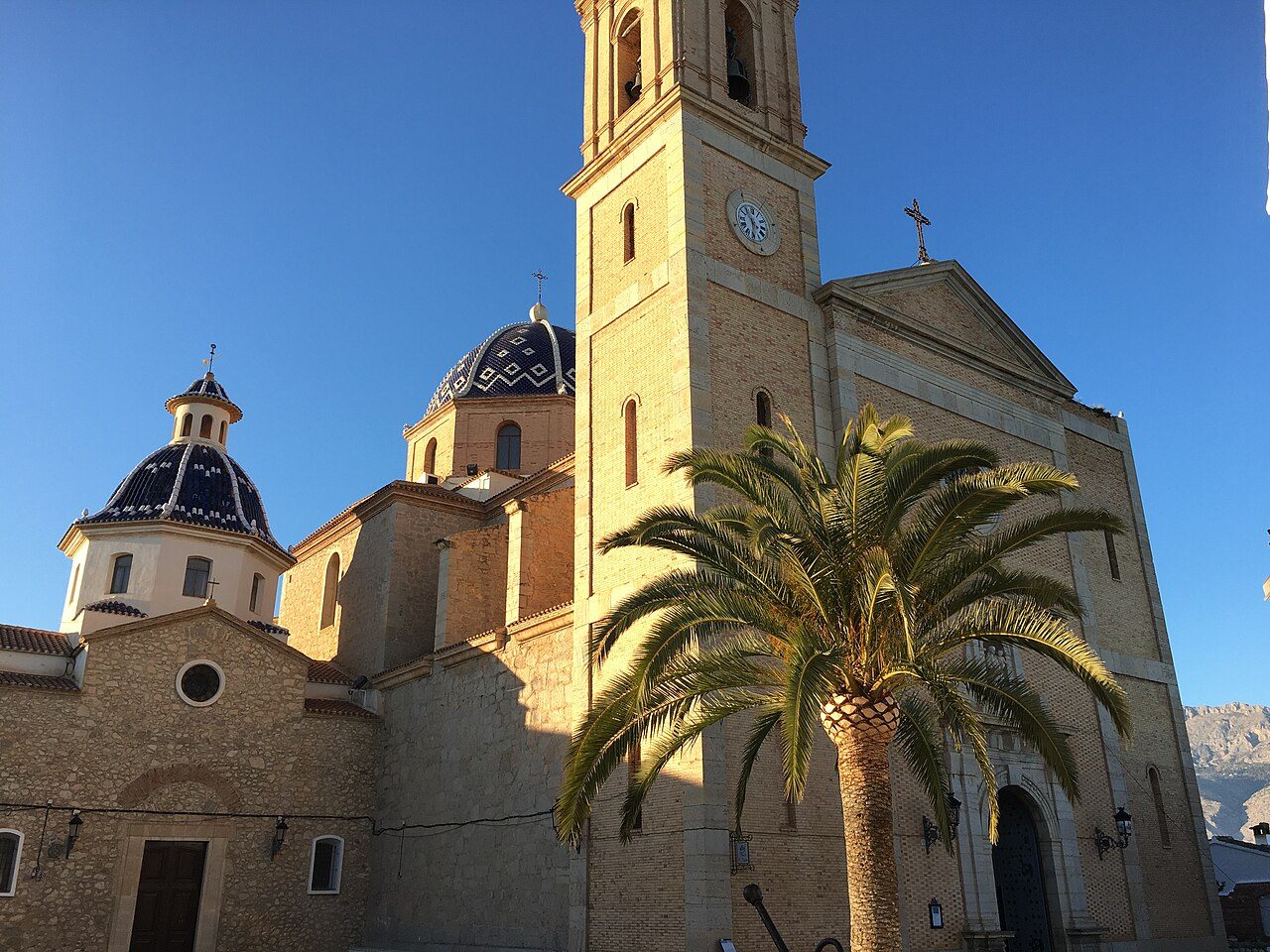
Living in Altea as an expat: climate, cost of living, healthcare, schools, and community life in this Costa Blanca town. veritySpain data and local insight.
Living in Altea as an expat means choosing a municipality where veritySpain data records an average project score of 7.2/10 across 11 analysed developments, with residential properties ranging from €1,395k to €3,450k. Altea sits on the Costa Blanca in Alicante province, roughly 60 km north of Alicante city. The town rises steeply from a pebble-and-rock coastline to a hilltop old quarter, giving daily life a vertical quality that is quite different from flat resort strips to the south. Residents tend to be here for the long term. The foreign population is significant, drawn by a climate that delivers around 300 days of sunshine per year and relatively mild winters compared to northern Europe.
Climate and outdoor life
Temperatures in Altea average above 17°C annually, with July and August peaks in the low thirties and January lows rarely below 8°C. That stability shapes daily routines in practical ways. Morning walks along the seafront promenade, the Passeig de la Mar, are possible most of the year. The Serra de Bernia ridge to the north creates a natural windbreak that tempers the levante winds common elsewhere on the coast. Rain arrives mainly in autumn, sometimes in heavy, short bursts. Outdoor dining is a near-constant option. Residents with mobility limitations should be aware that the old town involves significant gradients; the newer residential zones below are considerably more accessible. Cycling infrastructure remains limited compared to northern European towns of similar size.
Cost of living and healthcare
Day-to-day costs in Altea sit above the Spanish national average in property and some services, which reflects its popularity among higher-income residents. Weekly grocery shopping at the local Mercadona or the Saturday market on Avinguda del País Valencià tends to track typical Spanish consumer prices, which remain lower than most northern European equivalents, as tracked broadly by INE (Instituto Nacional de Estadística) household expenditure surveys. Healthcare access is a frequent question among expat arrivals. The nearest public hospital is the Hospital Comarcal de la Marina Alta in Dénia, around 35 km north. Several private clinics operate in Altea and in nearby Calpe, with English-speaking practitioners available. EU citizens using the S1 form or reciprocal health agreements can register with the Spanish public system; non-EU residents need private cover until residency is established. Dental care is almost entirely private across Spain.
Schools and education
Four state primary schools serve Altea, instruction primarily in Spanish and Valencian. The bilingual Valencian-Spanish system means children acquire both official regional languages. For expat families seeking English-medium education, the nearest international schools are in Benidorm (around 12 km south) and the wider Alicante corridor. The Lady Elizabeth School in Villajoyosa is within commuting range. Spanish state secondary education, the ESO and Bachillerato cycles, is available locally. University access requires a credential recognition process for degrees from outside Spain, which the Spanish education ministry handles through its nostrification procedure. The expat community includes a notable proportion of retirees, so families with school-age children are a smaller but established segment.
Expat communities and daily life
Several organised expat groups operate in and around Altea, including a well-established British residents association and various informal networks for Dutch, German, and Scandinavian residents. The Saturday market draws both local residents and visitors, functioning as a practical social anchor. Spanish language integration varies considerably: some long-term residents operate entirely in English or their own languages; others invest in Spanish and find daily life opens considerably as a result. Administrative processes, from NIE registration at the Policía Nacional in Benidorm to municipal empadronamiento at the Altea town hall, require Spanish or professional interpreter support. Banking is straightforward with major Spanish banks represented. Connectivity is solid: fibre broadband is available across most residential zones, and Alicante-Elche Airport (ALC) is approximately 70 km south, offering direct routes to major northern European cities.
Key takeaways
- veritySpain scores 11 Altea projects at an average of 7.2/10, with asking prices from €1,395k to €3,450k.
- The Costa Blanca climate delivers mild winters and long summers, shaping an outdoor-oriented daily routine year-round.
- Public hospital provision is in Dénia, 35 km away; expats should plan healthcare access before and after residency registration.
- English-medium international schools are within commuting range but not located within Altea itself.
- Organised expat communities exist across nationalities; administrative processes require Spanish language support or a local gestor.
The market in numbers
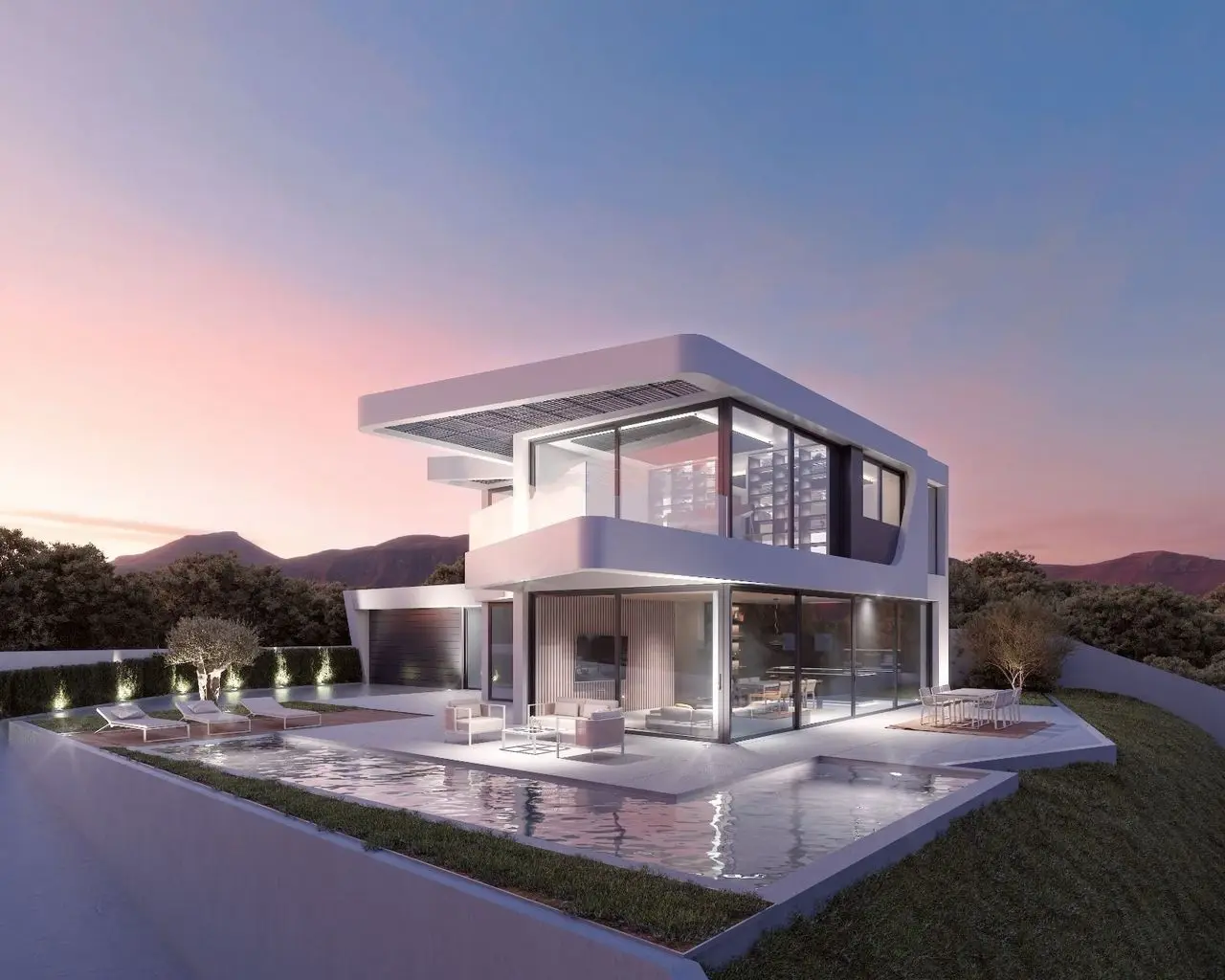
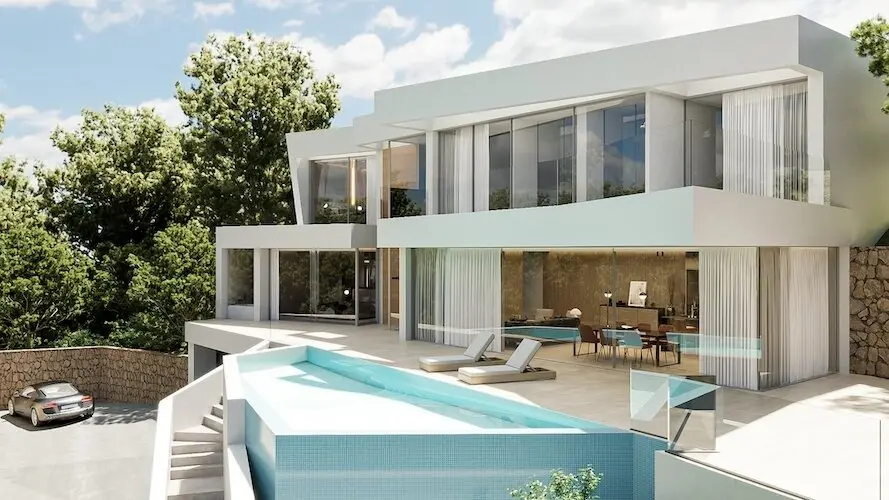
New-build projects in Altea
View all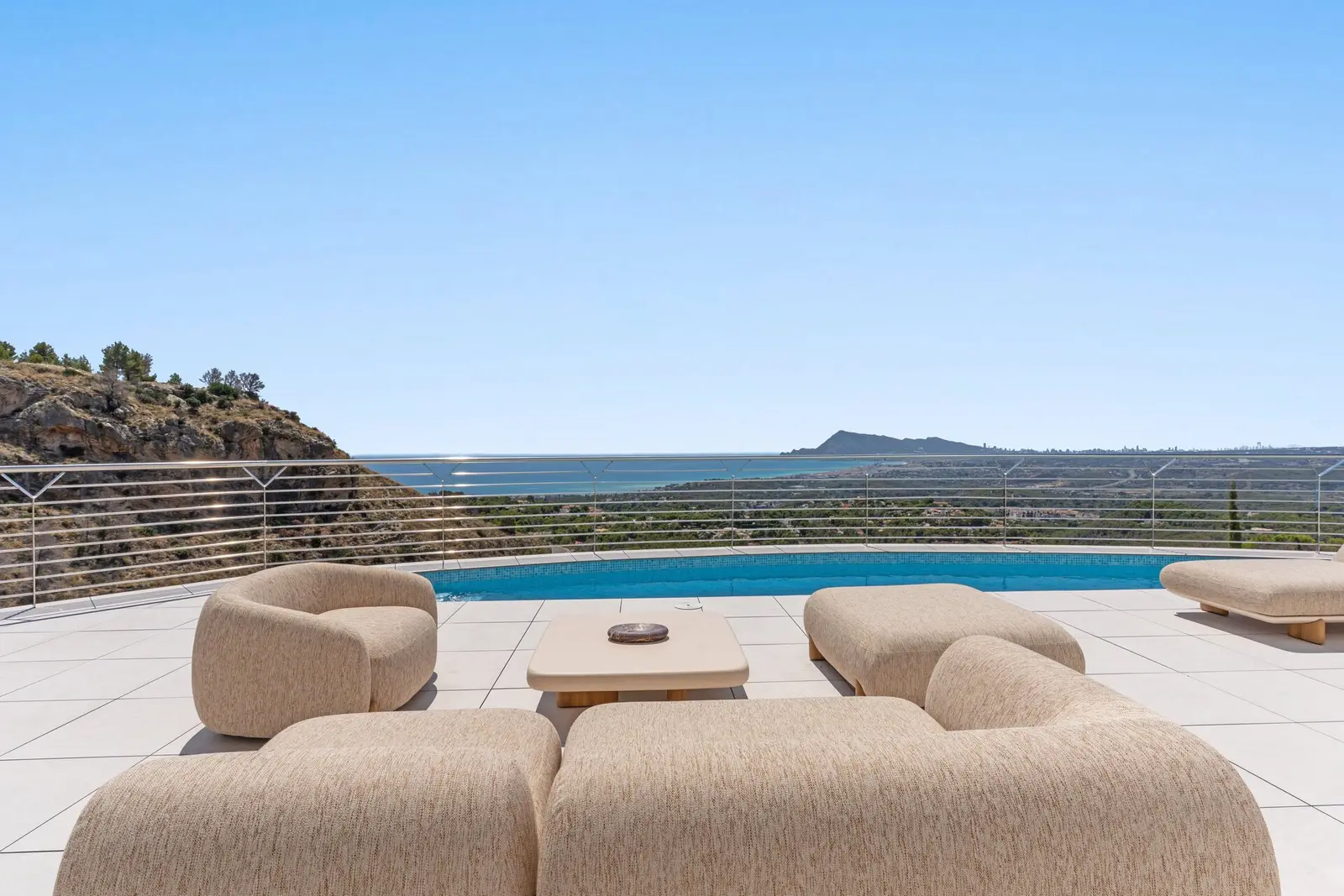
Frequently Asked Questions
Is Altea a good place to live as an expat?
↓
Altea attracts long-term expat residents from across northern Europe, drawn by a stable climate, a compact old town, and a well-established foreign community. veritySpain scores the 11 analysed projects in the municipality at an average of 7.2/10. Daily services are adequate for year-round residents, though some specialist amenities require a short drive to larger centres.
What is the cost of living in Altea, Spain?
↓
Day-to-day costs such as groceries and dining sit close to Spanish national averages, which are generally lower than northern European equivalents. Property in Altea is premium: veritySpain data shows asking prices from €1,395k to €3,450k in the analysed project segment. Running costs including utilities and local taxes follow standard Spanish municipal rates.
What is healthcare like in Altea for expats?
↓
Public hospital care is provided at Hospital Comarcal de la Marina Alta in Dénia, roughly 35 km from Altea. Several private clinics with English-speaking practitioners operate locally and in nearby Calpe. EU citizens can access the public system via the S1 form; non-EU expats require private health insurance until Spanish residency and social security registration is confirmed.
Are there international schools near Altea?
↓
There are no English-medium international schools within Altea itself. State schools teach in Spanish and Valencian. The nearest international schools, including the Lady Elizabeth School in Villajoyosa, are within a 20 to 30-minute drive. Families typically commute or arrange transport for children attending English-curriculum schools in the wider Alicante province.
What is the climate like in Altea?
↓
Altea has a Mediterranean climate with approximately 300 days of sunshine per year. Winters are mild, with January lows rarely below 8°C. Summers are warm, with July and August temperatures in the low thirties Celsius. The Serra de Bernia to the north moderates wind exposure. Rain is concentrated in autumn, often arriving as short intense episodes rather than prolonged grey periods.
How do I get a NIE number in Altea?
↓
The NIE (Número de Identidad de Extranjero) is issued by the Policía Nacional. The nearest processing office for Altea residents is typically in Benidorm or Alicante city. Appointments can be booked via the Spanish government's Sede Electrónica portal. Many expats use a local gestor or lawyer to manage the process, as forms and supporting documents must be submitted in Spanish.
What expat communities are active in Altea?
↓
Altea has an active British residents association and informal social groups for Dutch, German, and Scandinavian expats. The Saturday market on Avinguda del País Valencià functions as a weekly social gathering point for many residents. Online groups on Facebook and local WhatsApp communities also operate. Integration into Spanish-speaking local life varies, but basic Spanish language skills make daily administration significantly easier.