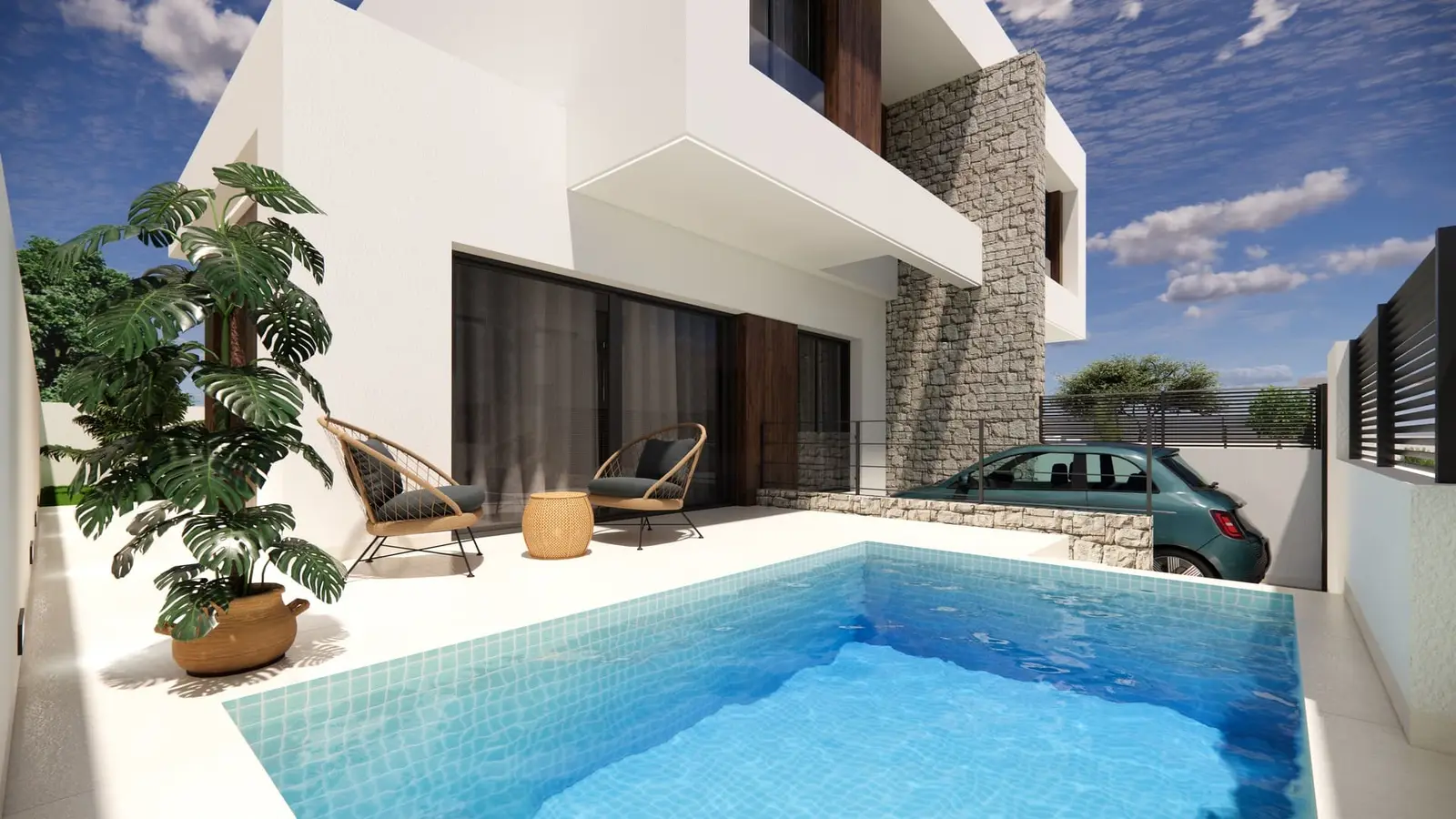
Property investment in Dolores: €269k–€460k price range, 7.2/10 average score across 8 analysed projects. Independent analysis of prices, rental demand, and legal steps.
Property investment in Dolores enters 2025 with prices spanning €269k–€460k across the eight projects veritySpain has analysed, producing a portfolio average score of 7.2/10, a figure that reflects solid fundamentals rather than speculative froth. Dolores sits in the Vega Baja del Segura, a flat, agricultural comarca in southern Alicante province. The town is roughly 30 kilometres from the coast at Guardamar del Segura, giving buyers proximity to beach infrastructure without paying coastal premiums. Infrastructure is functional: the N-340 provides direct access to Alicante and Murcia, and the region is served by Alicante-Elche Airport. That combination of land value, accessibility, and measured pricing is what drives the investment case here.
Price landscape and comparable markets
The €269k–€460k range indicates a broad spread of product, from modest townhouses at the lower end to larger detached villas with private pools at the upper. Within the Vega Baja comarca, towns such as Algorfa, San Fulgencio, and Cox occupy a comparable price bracket, and buyers routinely compare all four when shortlisting. Dolores historically attracts a higher proportion of Spanish domestic buyers relative to some purely coastal municipalities, which provides a degree of market depth that purely tourist-facing towns can lack. Price formation in the area reflects land costs rather than scarcity premiums; plots remain available at reasonable rates, which keeps new supply coming but also constrains aggressive appreciation cycles. The upshot is that entry prices feel rational, and the spread from €269k upward suggests developers are targeting multiple buyer profiles rather than a single demographic.
Rental dynamics and vacancy context
Alicante province has seen sustained demand for long-term residential rentals, driven partly by northern European buyers who rent before purchasing and by seasonal workers in agriculture and logistics. Banco de España research on the residential rental market has documented tightening vacancy in provincial capitals and secondary municipalities alike, though rural Vega Baja towns occupy a different segment from Alicante city or Torrevieja. In Dolores, rental demand skews toward the mid-term category: stays of three to twelve months from families relocating, retirees trialling the lifestyle, and professionals commuting into the wider Murcia-Alicante corridor. Holiday let income is possible but not the primary driver, given the inland location. Investors who underwrite at conservative occupancy assumptions are better positioned than those pricing in peak holiday let returns from day one.
Legal and fiscal considerations
Spanish property transfer tax (ITP) in the Valencian Community currently applies to resale property, while new-build transactions attract IVA at 10% plus stamp duty. These are established, publicly documented rates that any buyer's solicitor should confirm at the time of purchase, since regional governments occasionally adjust them. Foreign buyers must obtain a NIE (Número de Identificación de Extranjero) before completing any purchase, a requirement that has been in place for decades and is processed through the Policía Nacional. Mortgage financing for non-residents typically reaches up to 70% of the appraised value, which means the equity requirement on a €269k unit is meaningful. Planning status matters: buyers should verify via the Dolores town hall (Ayuntamiento) that any project has licencia de primera ocupación issued or confirmed in writing, not merely applied for. That single check eliminates the most common purchase risk in this part of Spain.
Market outlook and risk factors
Transaction volumes across Spanish coastal provinces have held up against a backdrop of rising rates, according to transaction registrations published by Registradores de España, though the pace of growth moderated compared to the post-pandemic surge. Dolores benefits from a relatively insulated dynamic: it is not purely dependent on a single buyer nationality, and its agricultural identity means it has not been subject to the same speculative cycles that affect front-line beach markets. Risk factors worth pricing in include the euro-denominated nature of returns for sterling or dollar investors, the illiquidity inherent in all Spanish residential property relative to equity markets, and community charge (gastos de comunidad) on developments with shared amenities. The 7.2/10 average score across veritySpain's analysed projects indicates that the current development pipeline meets minimum editorial quality thresholds; projects scoring below 6.0 are not included in that average.
Key takeaways
- Eight projects analysed by veritySpain, scoring an average of 7.2/10, confirm a pipeline meeting quality standards.
- Entry pricing runs from €269k to €460k, spanning a broad product range across the Vega Baja comarca.
- Inland location limits peak holiday let yields; mid-term residential demand is the more reliable income base.
- IVA, ITP, NIE, and licencia de primera ocupación checks are non-negotiable steps before any purchase commitment.
- Market depth benefits from a mix of domestic and international buyers, reducing single-nationality demand concentration.
The market in numbers
New-build projects in Dolores
View all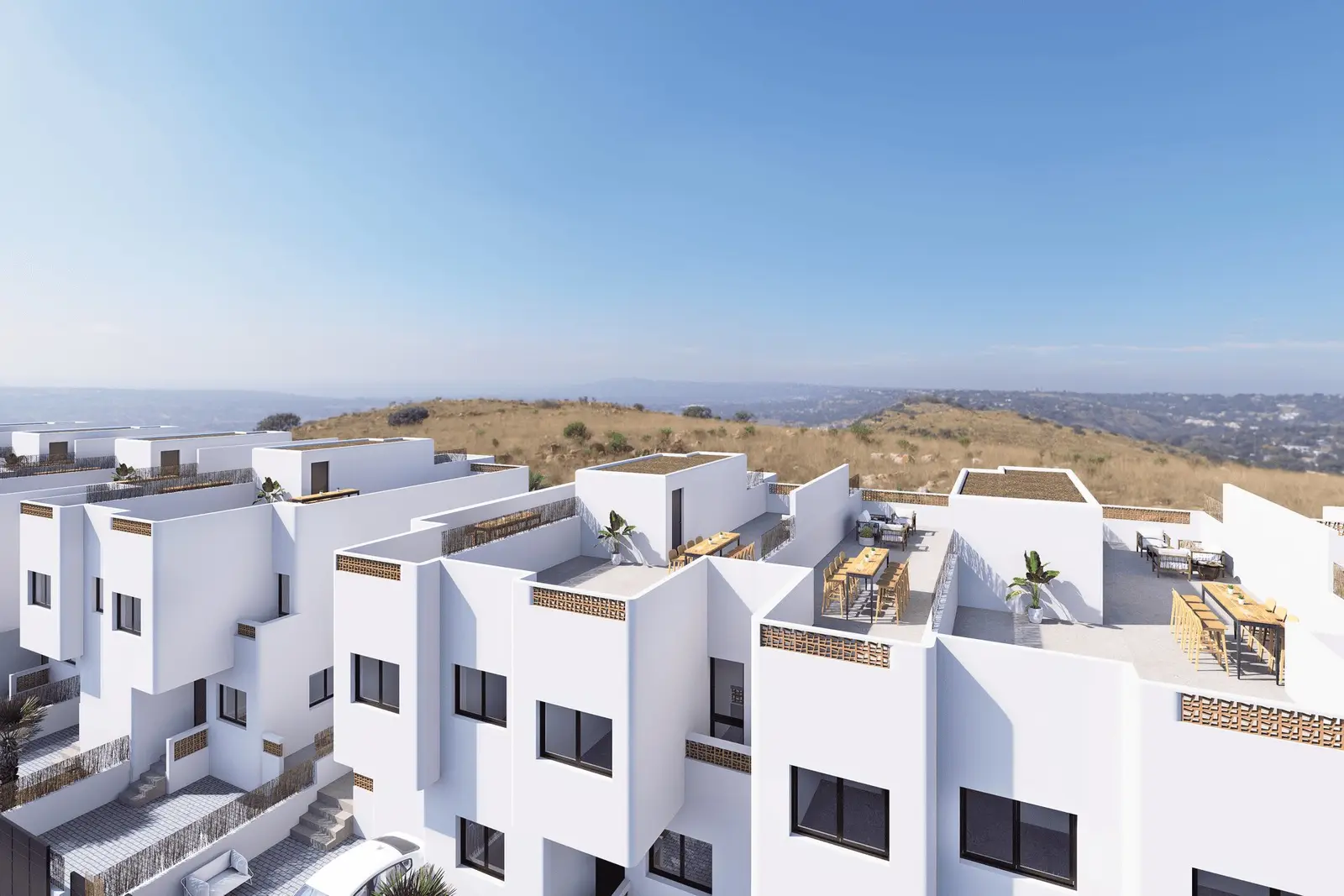
Frequently Asked Questions
What is the average property price in Dolores, Alicante?
↓
Based on veritySpain data, property prices in Dolores currently range from €269,000 to €460,000 across the eight projects analysed. The spread reflects different product types, from townhouses to detached villas with pools. Entry-level options at €269k represent the more accessible end of new-build supply in the Vega Baja comarca.
Is Dolores a good place to invest in property in Spain?
↓
Dolores offers a measured investment case: an average veritySpain project score of 7.2/10, rational land pricing, and proximity to Alicante Airport without coastal price premiums. Market depth benefits from a mix of domestic Spanish and international buyers. The inland location limits peak holiday let returns, so investors should model mid-term residential rentals as the primary income scenario.
What taxes apply when buying property in Dolores?
↓
New-build purchases in the Valencian Community attract IVA at 10% plus stamp duty (AJD). Resale property is subject to ITP transfer tax instead. Rates are set by the regional government and should be confirmed with a licensed solicitor at the time of purchase. Foreign buyers also need a NIE number before completing any transaction in Spain.
Can foreigners buy property in Dolores, Spain?
↓
Yes, foreigners can buy property in Dolores without restrictions on ownership. The main requirement is obtaining a NIE (Número de Identificación de Extranjero), issued by the Policía Nacional. Non-resident buyers can access Spanish mortgages, though lenders typically cap financing at around 70% of the appraised value for non-residents, requiring a meaningful deposit.
How far is Dolores from the coast and from Alicante Airport?
↓
Dolores is approximately 30 kilometres from the Mediterranean coast at Guardamar del Segura. Alicante-Elche Airport is roughly 40 kilometres away via the N-340. This positioning means buyers benefit from beach and airport proximity without paying the price premium attached to front-line coastal or immediate airport-corridor locations in Alicante province.
What rental demand exists in Dolores for investors?
↓
Rental demand in Dolores skews toward mid-term stays of three to twelve months rather than short holiday lets, reflecting the town's inland agricultural character. Tenants include northern European families trialling relocation, retirees, and professionals working in the wider Alicante-Murcia corridor. Conservative occupancy assumptions are more reliable than projecting peak holiday let income from coastal comparables.
How does Dolores compare with nearby towns for property investment?
↓
Within the Vega Baja, Dolores sits in a comparable price bracket to Algorfa, San Fulgencio, and Cox. Dolores attracts a higher proportion of Spanish domestic buyers than some purely coastal towns, providing broader market depth. Its agricultural identity has insulated it from the speculative cycles that affect front-line beach markets, making price formation more stable but also limiting rapid appreciation potential.