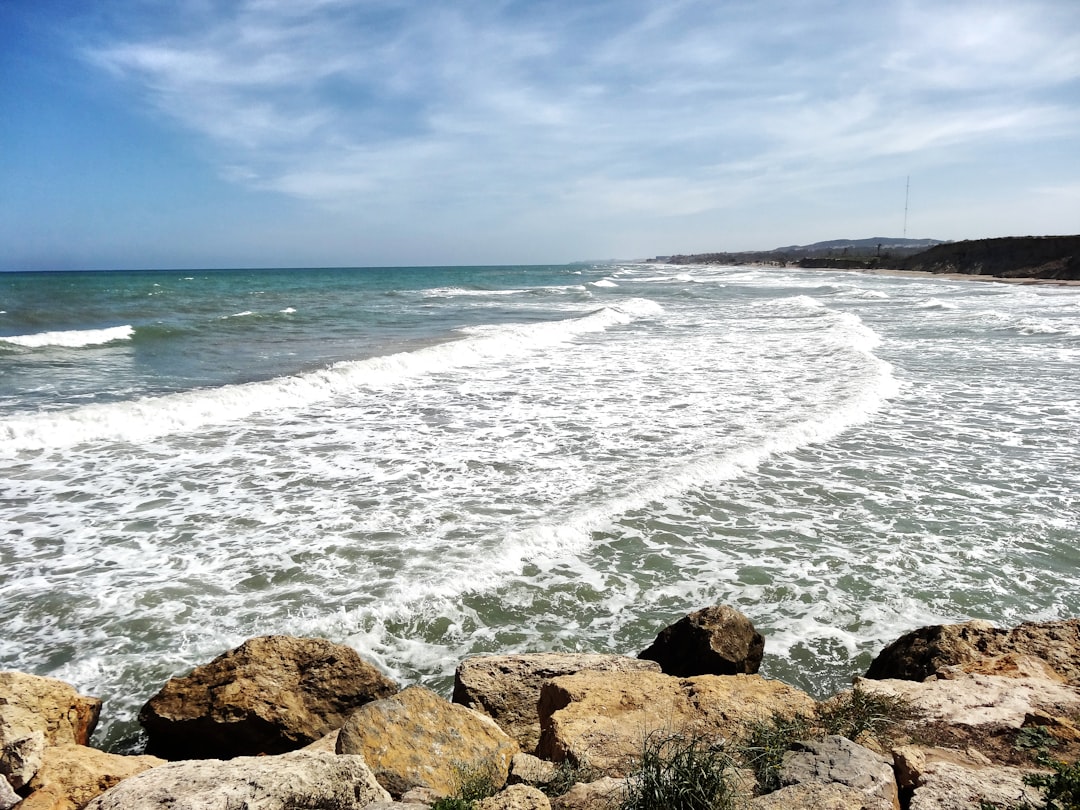
Property investment in Guardamar del Segura: prices from €222k to €510k, 13 analysed projects, avg score 7.5/10. Rental rules, tax and supply constraints explained.
Property investment in Guardamar del Segura occupies a well-defined price band of €222,000 to €510,000 across the 13 projects that veritySpain has analysed in this Costa Blanca municipality, with an average score of 7.5/10 against the platform's editorial criteria. That range places Guardamar notably below its more celebrated neighbours to the north, which matters for investors who model entry cost against achievable rental income. The town sits at the southern end of the Alicante province, where the Segura river meets the Mediterranean. Its 11 kilometres of dunes and pine-backed beach are a protected natural park, a designation that limits new supply and gives the existing stock an enduring scarcity value. Demand from northern European buyers, particularly from the Netherlands, Germany and the United Kingdom, has been a consistent feature of transaction activity here for more than two decades. veritySpain data (2025) shows that the projects scoring above the platform's 6.0 publication threshold account for the full analysed set, indicating a market where promoters are targeting quality-conscious buyers rather than volume.
Price positioning and market structure
€222,000 is the entry point in the veritySpain feed, a figure that reflects smaller apartments near the town centre rather than beachfront villas. At the top of the range, €510,000 covers larger townhouses and detached homes within a short walk of the dune system. This spread of roughly €290,000 between floor and ceiling is narrower than comparable resort municipalities in the Valencia region, which suggests a relatively homogeneous buyer profile. Transaction volumes in the wider Alicante province have been tracked consistently by INE (Instituto Nacional de Estadística), which publishes quarterly data on residential sales; the province has been among Spain's most active for foreign-buyer purchases in recent years. Guardamar itself is a smaller market than Torrevieja or Orihuela Costa, meaning individual project launches can move the aggregate figures noticeably. Investors should factor that liquidity dynamic into exit planning. The absence of a major marina or golf resort keeps Guardamar out of the ultra-premium segment entirely.
Rental market and yield considerations
Rental demand in Guardamar del Segura follows a clear seasonal pattern: high occupancy from late June through to early September, with shoulder-season interest from retirees on longer stays. The Spanish short-term rental regulatory environment has tightened at regional level under Valencian Community rules, requiring a tourist licence (Vivienda de Uso Turístico) for any property let for fewer than 10 consecutive nights. Compliance is not optional. Costs associated with obtaining and maintaining that licence, plus platform fees and property management charges, typically absorb a meaningful share of gross income. Investors targeting year-round income rather than peak-season only should assess the town's off-season occupancy carefully before modelling returns. Long-term lets to residents and retirees from northern Europe represent an alternative strategy that carries lower regulatory friction and more predictable cash flow. Guardamar's permanent population is small, which limits the depth of the long-term residential rental pool.
Supply constraints and the natural park effect
11 kilometres of protected dune coast is the defining supply-side constraint in Guardamar del Segura. The Parque Natural de las Dunas de Guardamar is a designated protected area under both Spanish and European environmental law, which prohibits residential construction within its boundaries and restricts density in the immediately adjacent zones. This is not a speculative claim about future restrictions: the protection has been in place for decades. New supply therefore competes for a limited pool of buildable land. Urban development in Guardamar has historically pushed inland and toward the northern access roads rather than along the coast itself. For investors, this geography means that well-located existing stock retains positional value that new-build cannot easily replicate. The 13 projects in the veritySpain feed represent current active supply; the pipeline beyond these is constrained by both planning rules and land availability. Scarcity is real here, not a marketing claim.
Buyer profile and cross-border tax considerations
Non-resident buyers from EU member states and third countries face different tax treatment under Spanish law. Non-EU buyers pay a higher rate of IRNR (Impuesto sobre la Renta de No Residentes) on rental income than EU citizens. All non-residents are subject to an annual deemed-income tax charge on property held in Spain, even when not rented. ITP (Impuesto de Transmisiones Patrimoniales) applies on second-hand purchases in the Valencian Community; IVA applies on new-build sales. These are established facts of Spanish property law, not estimates. The practical implication is that net yield calculations must incorporate tax drag from the outset, and a Spanish fiscal representative is a legal requirement for non-residents holding property. Guardamar attracts a high proportion of Dutch and Belgian buyers, partly because the Netherlands and Belgium both have tax treaties with Spain that affect how rental income is taxed at home. Buyers from outside those treaty networks face a different arithmetic. Legal and fiscal advice specific to the buyer's country of residence is not optional; it is the foundation of any credible investment case.
Key takeaways
- Entry prices start at €222,000, with the top of the analysed range at €510,000 across 13 projects.
- The protected dune park limits new coastal supply, giving existing well-located stock a structural advantage.
- A Valencian tourist licence is mandatory for short-term letting; regulatory compliance costs affect net yield materially.
- Non-resident buyers face IRNR, ITP or IVA, and deemed-income tax; tax treaty status varies by nationality.
- The average veritySpain project score of 7.5/10 indicates that current supply meets the platform's quality threshold.
The market in numbers
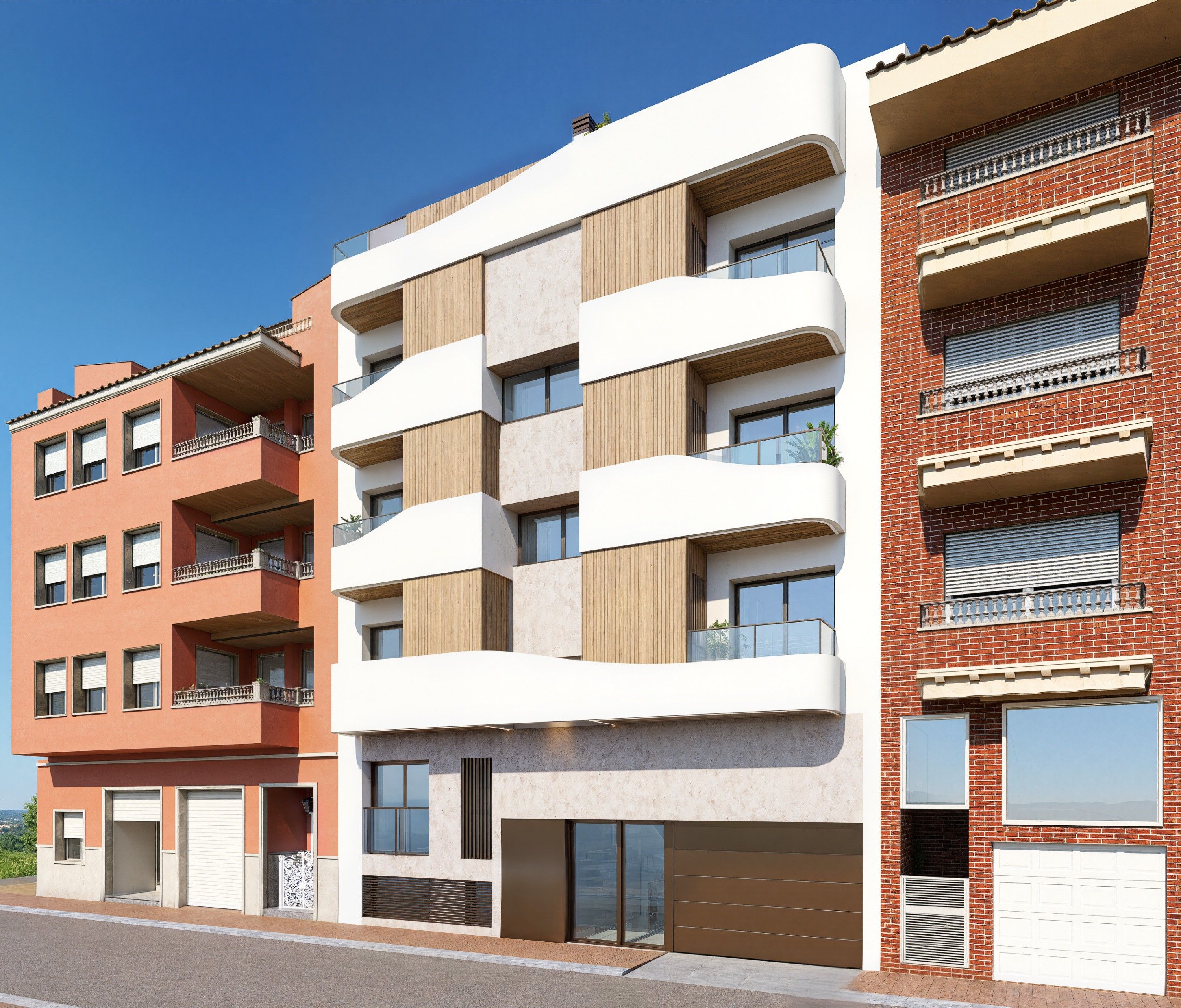
New-build projects in Guardamar del Segura
View all

Frequently Asked Questions
What is the average property price in Guardamar del Segura?
↓
Prices in the veritySpain feed range from €222,000 to €510,000 across 13 analysed projects. Entry-level apartments sit near the lower end of that band, while larger townhouses and detached homes approach the upper limit. The spread reflects a relatively homogeneous market without an ultra-premium segment.
Is Guardamar del Segura a good place to invest in property?
↓
veritySpain scores the 13 analysed projects at an average of 7.5/10, above the publication threshold of 6.0. The protected dune coastline limits new supply, which supports positional value for existing stock. Investors should assess rental regulation, tax obligations, and seasonal demand before committing.
Can I rent out my property in Guardamar del Segura as a holiday let?
↓
Short-term tourist rentals in the Valencian Community require a Vivienda de Uso Turístico licence. Letting without one carries penalties. The licence process involves registration with the regional government. Costs and lead times vary; investors should factor compliance expenses into yield calculations from the outset.
What taxes do non-residents pay on property in Spain?
↓
Non-residents pay IRNR on rental income and a deemed-income charge on property held but not rented. On purchase, ITP applies to second-hand sales and IVA to new-build. Tax treaty status between Spain and the buyer's home country affects the net burden significantly. A Spanish fiscal representative is legally required.
Why does the natural park matter for property investment in Guardamar?
↓
The Parque Natural de las Dunas de Guardamar is a protected area under Spanish and European environmental law, preventing new construction along the coastline. This constraint limits future supply near the beach, which underpins the scarcity value of well-located existing properties in the town.
How does Guardamar del Segura compare to Torrevieja for investment?
↓
Guardamar is a smaller, lower-volume market than Torrevieja, with a narrower price range and a protected coastline that limits new supply. Torrevieja offers greater liquidity and a larger rental pool. Guardamar suits investors prioritising positional scarcity; Torrevieja suits those prioritising market depth and exit options.
What is the rental season like in Guardamar del Segura?
↓
Peak demand runs from late June to early September, driven by northern European leisure visitors. Shoulder-season occupancy is lower but sustained by longer-stay retirees. Year-round income strategies typically combine short-term tourist lets in summer with medium-term residential lets from autumn through spring to smooth cash flow.