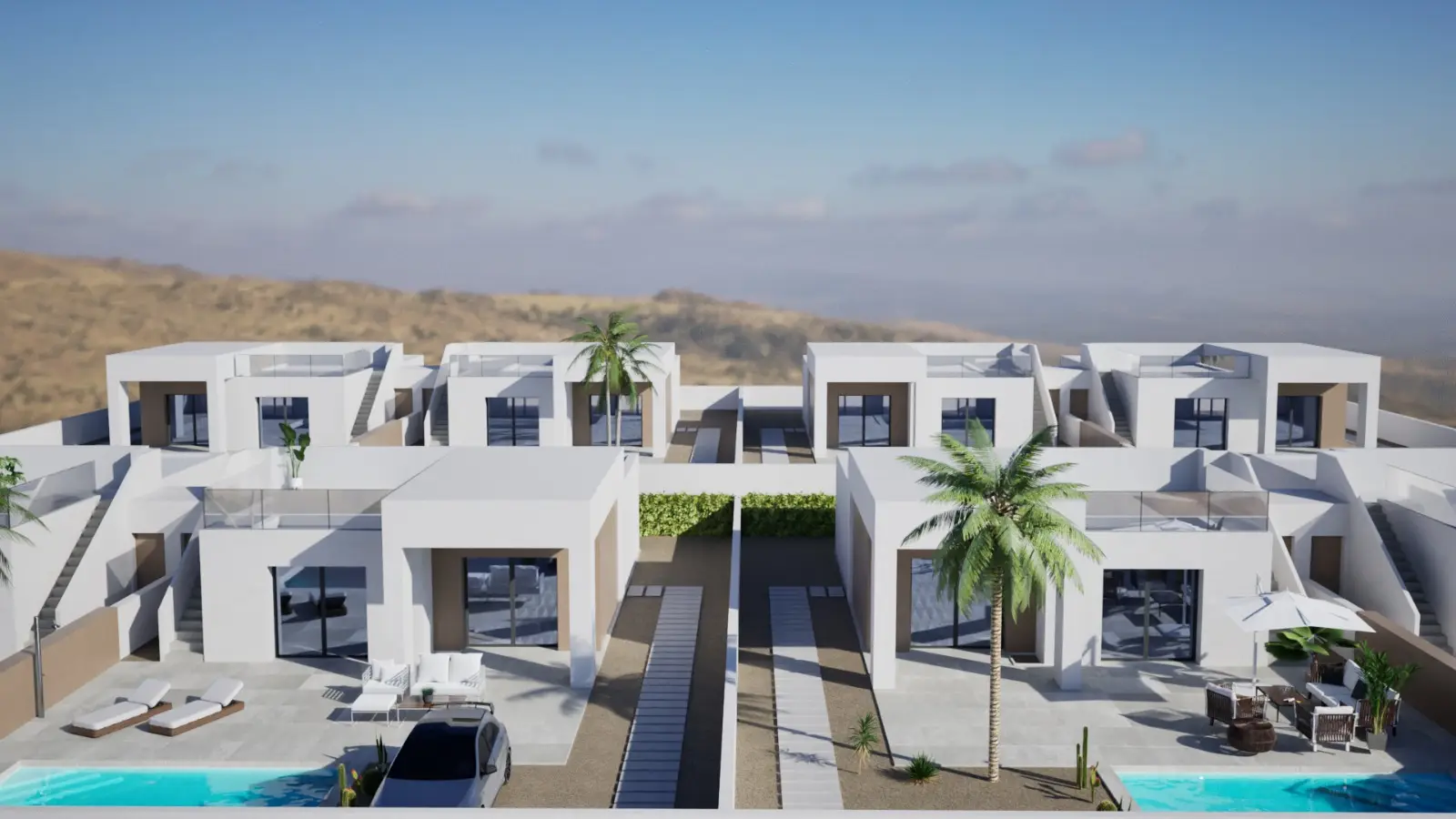
Explore the process of buying new build La Romana properties, including costs, contracts, and legal steps for a smooth transaction.
New build la Romana properties are available in the price range of €340,000 to €390,000, according to a recent analysis of three projects. With an average score of 7.1 out of 10 by veritySpain, these developments offer a solid investment for international buyers. Located in the Alicante province on the Costa Blanca, la Romana presents a structured process for purchasing new-build properties. From signing a reservation contract to receiving the keys, buyers must navigate various steps and costs. Understanding these elements is crucial for a smooth transaction.
Understanding the Reservation Contract
When purchasing a new-build property in la Romana, the journey begins with a reservation contract. This document secures the property for the buyer and typically requires a deposit of around €6,000 to €10,000. The contract outlines the basic terms, including price and estimated completion date. It's essential to review these details carefully. Developers such as TM Real Estate Group and Taylor Wimpey España are active in the region, often providing clear documentation. The reservation contract is not legally binding but serves as a commitment to proceed with the purchase. Buyers should ensure that they have legal representation to review the terms.
Signing the Purchase Agreement
Following the reservation contract, the next step is signing the purchase agreement. This document is more comprehensive and legally binding. It includes detailed specifications of the property, payment schedules, and penalties for non-compliance. Typically, 10% to 20% of the purchase price is due upon signing. Legal fees, usually around 1% of the property price, should also be considered. The agreement will stipulate the timeline for completion, which can range from 12 to 24 months. Buyers should verify these timelines and any clauses related to delays. It's advisable to have a lawyer review the purchase agreement to ensure all aspects are favorable.
Understanding Costs and Taxes
Purchasing a new-build property in la Romana involves several additional costs. Besides the purchase price, buyers should budget for VAT, which is 10% on new properties. Additionally, stamp duty, known as AJD, is typically around 1.5% of the purchase price. Legal fees, notary costs, and registration fees can add another 2% to 3%. It's crucial to factor in these expenses early in the process. According to Banco de España, understanding the total financial commitment is essential for budgeting and securing financing. Buyers should also consider potential community fees if the property is part of a development.
From Completion to Receiving the Keys
Once construction is complete, the final steps involve inspections and receiving the keys. Buyers should conduct a thorough inspection to ensure all specifications are met. Any discrepancies should be addressed with the developer before signing the final deed. This deed, known as the "escritura," is signed in front of a notary. It's at this point that the remaining balance is paid. The property is then registered in the buyer's name at the Land Registry. According to Registradores de España, this process ensures legal ownership. Receiving the keys marks the culmination of the purchase process, allowing the buyer to take possession of the property.
Key takeaways
- Reservation contracts require a deposit of €6,000 to €10,000.
- VAT on new-build properties in la Romana is 10% of the price.
- Purchase agreements are legally binding and include detailed terms.
- Completion timelines can range from 12 to 24 months.
- Legal representation is crucial throughout the buying process.
The market in numbers
New-build projects in la Romana
View allFrequently Asked Questions
What is a reservation contract in La Romana?
↓
A reservation contract secures the property. It requires a deposit of €6,000 to €10,000 and outlines basic terms like price and completion date. Though not legally binding, it shows commitment to purchase. Legal review is advised to ensure clarity and fairness in terms.
How much is the VAT on new builds in La Romana?
↓
VAT on new builds is 10%. This tax applies to the purchase price of new properties. Buyers should budget for this additional cost early in the purchasing process to avoid surprises and ensure proper financial planning.
What are the steps after signing a reservation contract?
↓
Sign the purchase agreement next. This legally binding document details property specifications, payment schedules, and penalties. Typically, 10% to 20% of the price is due. Legal fees and completion timelines are also included. Legal review is crucial for favorable terms.
What additional costs should buyers consider?
↓
Consider VAT, stamp duty, and fees. Besides the purchase price, budget for 10% VAT, 1.5% stamp duty, and 2%-3% for legal, notary, and registration fees. These costs are essential for financial planning and securing necessary financing.
What is the timeline for property completion?
↓
Completion timelines range from 12 to 24 months. The purchase agreement specifies this timeline. Buyers should verify clauses related to delays and ensure the timeline aligns with their expectations. Legal advice is recommended for clarity.
How is legal ownership secured in La Romana?
↓
Legal ownership is secured by signing the 'escritura'. This final deed is signed in front of a notary once construction is complete. The remaining balance is paid, and the property is registered in the buyer's name at the Land Registry.
Why is legal representation important in property buying?
↓
Legal representation ensures favorable terms. Lawyers review contracts, agreements, and costs, safeguarding buyer interests. They help navigate legal complexities, ensuring a smooth transaction and protecting against potential disputes or misunderstandings.