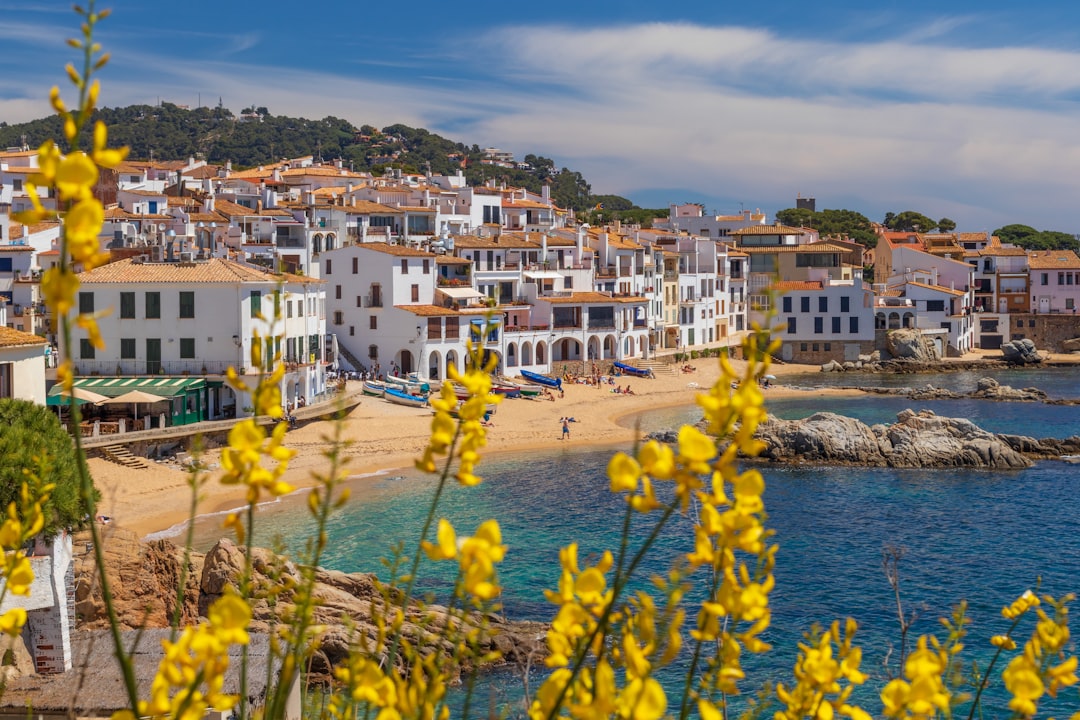
Living in Calasparra as an expat: climate, cost of living, healthcare, schools, and community in this quiet inland Murcia town. veritySpain guide.
Living in Calasparra as an expat means settling into a small inland Murcian town where veritySpain has reviewed two residential projects scoring an average of 7.1 out of 10, with asking prices running from €309,000 to €435,000. The town sits roughly 100 kilometres inland from the Costa Cálida coast, on the edge of the Segura river valley, at an elevation that moderates summer heat and makes winters noticeably cool. Daily life here moves at a pace that is slower than the coast. Residents walk to a covered market, visit a local pharmacy without an appointment, and eat lunch before two o'clock. For an expat weighing a genuine lifestyle relocation rather than a holiday-home purchase, the fundamentals are worth understanding before committing.
Climate and the rhythm of daily life
Calasparra sits within a semi-arid interior climate, with summers that are hot and dry and winters that are cooler than the coast. Average July highs regularly exceed 35 degrees Celsius; January nights can drop below five. The lack of coastal humidity makes summer heat more bearable than it sounds. Rain falls mainly in autumn and is relatively scarce compared to northern Spain. The Segura river and the Cañaverosa lake reservoir, a few kilometres from town, give the surrounding landscape a greener texture than most of inland Murcia. Outdoor life is genuinely viable year-round, but the town itself is quiet. The weekly market, local bars serving pilota stew, and an annual rice festival in October define the social calendar for most residents. Life is domestic rather than cosmopolitan. That is precisely its appeal for the right buyer.
Cost of living and purchasing context
Calasparra's cost of living is meaningfully lower than coastal alternatives such as Murcia city or Cartagena. Groceries, eating out, and basic services all sit below the national average tracked by INE 2025 for mid-sized Spanish municipalities. A sit-down lunch at a local bar can cost under ten euros. The two veritySpain-reviewed projects in the municipality sit in the €309,000 to €435,000 range, which reflects new-build specification rather than resale pricing, where units typically trade at lower levels. Transaction volume in the municipality is modest. Registradores de España data on Murcia region registers show that inland rural municipalities like Calasparra account for a small share of total regional sales, which means liquidity is limited and resale timelines should be budgeted conservatively. Buyers should treat this as a lifestyle acquisition, not a short-cycle investment.
Healthcare and practical services
Spain's public healthcare system covers legal residents regardless of nationality. Calasparra has a local health centre (Centro de Salud) serving primary care needs. Specialist care and hospital services require travelling to Cieza, roughly 25 kilometres away, or to Murcia city, around 90 kilometres distant. Non-emergency appointments and referrals work through the standard Spanish public pathway, which means waiting times for specialist visits can be longer than expats from northern Europe are used to. Private health insurance, available from providers such as Sanitas or Adeslas, is widely used by the expat community to reduce waiting times and access English-speaking practitioners in Murcia city. Pharmacies in Calasparra are well-stocked and pharmacists typically provide a useful first-opinion consultation. For dental and optical care, Cieza offers a broader range of clinics.
Schools, language, and community
Calasparra has state primary and secondary schools serving the local population, with instruction entirely in Spanish and Castilian. There are no international schools in the municipality itself. Families seeking bilingual or English-medium education need to plan for a commute to Murcia city, where private and semi-private international options exist. The expat community in Calasparra is small and predominantly Northern European, with some British and Dutch residents who chose the area specifically for its low profile. Integration with the local Spanish population is straightforwardly possible but requires conversational Spanish. Local cultural associations and the Catholic calendar of festivals provide natural points of contact. For expats who engage with the language, the town is welcoming. For those who prefer an English-speaking social infrastructure, the immediate area will feel thin, and coastal towns such as Mazarron or the Mar Menor strip offer a more established expat network.
Key takeaways
- veritySpain reviewed 2 projects in Calasparra, averaging 7.1/10, with prices from €309k to €435k.
- The inland semi-arid climate means hot dry summers and cool winters, distinct from the coastal experience.
- Cost of living is below the national average, but resale liquidity is limited in this small inland market.
- Primary healthcare is available locally; specialist care requires travel to Cieza or Murcia city.
- The expat community is small; Spanish language ability is important for social integration and daily life.
The market in numbers
New-build projects in Calasparra
View all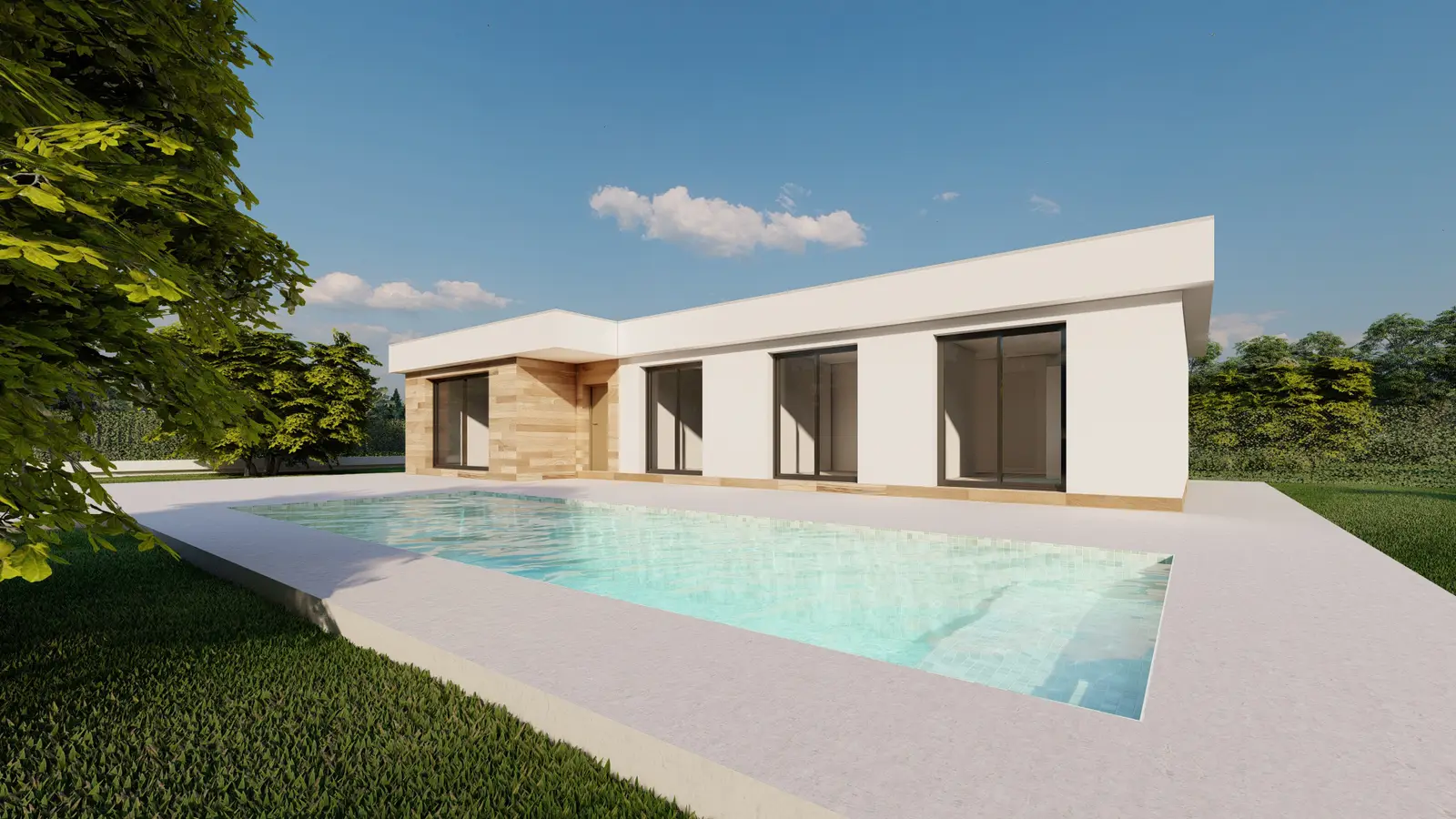
Frequently Asked Questions
Is Calasparra a good place to live as an expat?
↓
Calasparra suits expats who value quiet inland living, lower costs, and genuine integration with a Spanish community. The town is small, services are basic, and the expat network is limited. It is a lifestyle choice rather than a convenience-first relocation. Those who speak some Spanish and prefer low-profile residential life tend to find it rewarding.
What is the cost of living in Calasparra compared to the coast?
↓
Daily costs in Calasparra, including groceries, dining, and services, are lower than coastal Murcia towns such as Mazarron or the Mar Menor area. A local bar lunch can cost under ten euros. New-build property in the municipality runs from €309,000 to €435,000 according to veritySpain project data, though resale units typically trade below that level.
How is healthcare for expats living in Calasparra?
↓
Spain's public health system covers registered legal residents. Calasparra has a local primary care centre; specialist and hospital care requires travel to Cieza or Murcia city. Many expats supplement public cover with private insurance from providers such as Sanitas or Adeslas to access English-speaking specialists and reduce waiting times.
Are there international schools near Calasparra?
↓
There are no international schools in Calasparra itself. State schools teach in Spanish. Families seeking English-medium or bilingual education need to commute to Murcia city, where private and semi-private international schools are available. The journey from Calasparra to Murcia city is approximately 90 kilometres.
What is the climate like in Calasparra?
↓
Calasparra has an inland semi-arid climate. Summers are hot and dry, with July highs regularly above 35 degrees Celsius. Winters are cool, with January nights sometimes dropping below five degrees. Rainfall is low and concentrated in autumn. The inland elevation reduces coastal humidity, which many residents find makes summer heat more manageable.
How large is the expat community in Calasparra?
↓
The expat community in Calasparra is small. Most foreign residents are Northern European, including British and Dutch nationals who chose the area for its low profile and lower costs. Social infrastructure in English is limited. Expats who engage with the local Spanish community and language report a welcoming environment, but those seeking a ready-made expat social scene will find the area thin.
Is Calasparra property a good investment?
↓
Calasparra is a lifestyle market, not a high-liquidity investment market. Transaction volumes in small inland Murcian municipalities are modest, as reflected in regional data published by Registradores de España. Resale timelines should be planned conservatively. The two veritySpain-reviewed projects score 7.1/10 on average, suggesting solid residential quality within the constraints of a limited local market.